
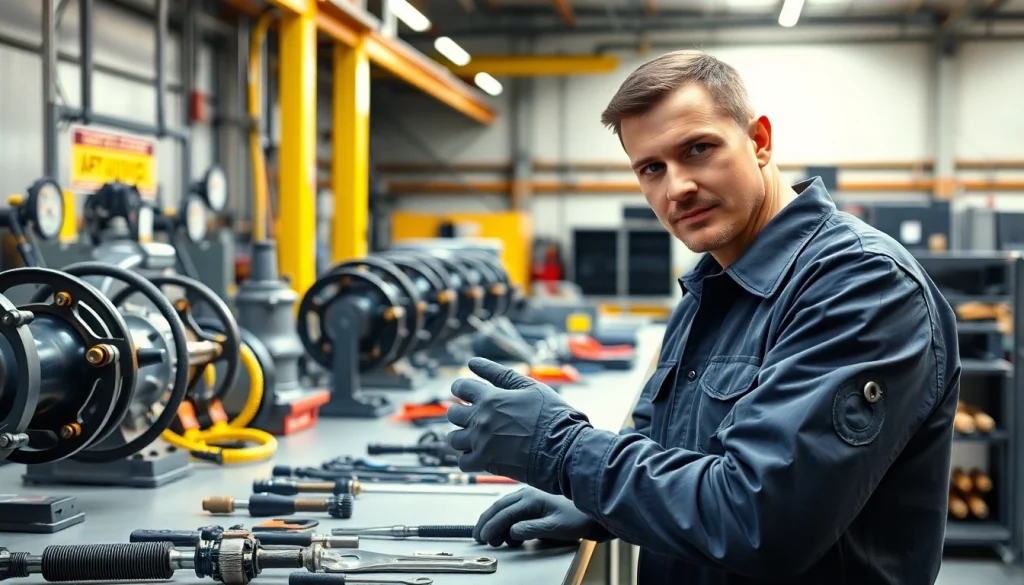
Understanding Hydraulic Systems
Hydraulic systems play an essential role in modern machinery and equipment, providing power through the controlled transfer of fluids. From lifting heavy loads to precise movability in industrial machinery, an effectively maintained hydraulic system is crucial for optimal performance and safety. This guide covers key aspects of hydraulic system maintenance, ensuring longevity and reliability.
1. Components of Hydraulic Systems
A hydraulic system is composed of several vital components that work together to convert mechanical energy into hydraulic energy and vice versa. The primary components include:
- Hydraulic Fluid: The medium that transmits power within the system, typically oil or water-based fluids, selected for their viscosity and lubrication properties.
- Hydraulic Pump: Converts mechanical energy into hydraulic energy, pushing fluid through the system.
- Actuators: Components that convert hydraulic energy back into mechanical energy, such as hydraulic cylinders and motors.
- Valves: Control the flow and direction of hydraulic fluid within the system, crucial for machinery operations.
- Reservoir: Stores hydraulic fluid and serves as a cooling and contaminant settling space.
2. How Hydraulic Systems Work
Hydraulic systems operate on the principle of Pascal’s law, which states that pressure applied to a confined fluid is transmitted undiminished in all directions. Essentially, when the hydraulic pump activates and pressurizes the fluid, it flows through the valves to the actuators, causing the machinery to perform specific tasks. The entire process is highly efficient, which is why hydraulics are favored in various industries, including construction, manufacturing, and automation.
3. Importance of Hydraulic System Maintenance
Regular hydraulic system maintenance is essential for several reasons:
- Safety: Well-maintained systems reduce the risk of accidents caused by hydraulic failures.
- Cost Efficiency: Proactive maintenance methods can prevent costly breakdowns and repairs, improving overall productivity.
- Performance: Maintaining hydraulic fluid quality and system components ensures machinery operates at peak efficiency, prolonging its lifespan.
Therefore, investing in hydraulic system maintenance is essential for safe and efficient operational integrity.
Common Hydraulic System Issues
1. Signs of Hydraulic Failure
Identifying signs of hydraulic failure early can minimize downtime and damage. Common indicators include:
- Unusual noises such as knocking or grinding.
- Inconsistent hydraulic pressure readings.
- Leaks around hydraulic components.
- Poor performance or slow operation of machinery.
2. Common Problems in Hydraulic Systems
Several issues can arise in hydraulic systems, including:
- Contaminated Hydraulic Fluid: Dirt, debris, or moisture can compromise fluid integrity, affecting system performance.
- Worn Seals and Hoses: Age and wear can lead to leaks, resulting in pressure loss and potential system failure.
- Improper Fluid Levels: Overfilling or underfilling the reservoir can cause various operational issues, including overheating.
3. Diagnostic Techniques for Hydraulic Systems
To maintain hydraulic systems effectively, accurate diagnostics are essential. Methods include:
- Visual Inspections: Regular visual checks for leaks, unusual wear, and proper fluid levels.
- Pressure Testing: Gauging system pressure to confirm operational efficacy and identify issues.
- Fluid Analysis: Testing hydraulic fluid for contaminant levels and physical properties to ensure quality.
Best Practices for Hydraulic System Maintenance
1. Regular Inspection and Monitoring
Establishing a routine inspection schedule for hydraulic systems is crucial. Regular checks should focus on:
- Fluid levels and condition.
- Leaks and seal integrity.
- Component wear and tear.
Employing monitoring technology can assist in early detection of inconsistencies, facilitating timely maintenance.
2. Fluid Replacement Techniques
Replacing hydraulic fluid is vital to maintain system effectiveness. Best practices include:
- Use high-quality, compatible hydraulic fluids recommended by manufacturers.
- Follow recommended fluid replacement intervals based on operating conditions.
- Ensure complete fluid drainage to prevent contamination during refills.
3. Preventive Maintenance Strategies
Implementing preventive maintenance strategies can significantly reduce the likelihood of hydraulic failures. These strategies may include:
- Creating a maintenance log to track inspections, repairs, and fluid changes.
- Utilizing advanced monitoring systems that provide real-time data on system performance.
- Training personnel on proper operational practices to minimize misuse and potential damage.
Tools and Equipment for Maintenance
1. Essential Tools for Hydraulic Maintenance
Having the right tools on hand is essential for effective hydraulic system maintenance. Key tools include:
- Hydraulic wrenches for tightening connections.
- Pressure gauges for checking system pressure.
- Fluid sampling kits for analyzing hydraulic fluid quality.
2. Safety Equipment Needed
Safety should always be a priority in hydraulic maintenance. Essential safety equipment includes:
- Safety goggles to protect the eyes from flying debris or fluid splashes.
- Gloves designed for handling hydraulic fluids and preventing chemical burns.
- Protective clothing to shield against spills and leaks.
3. Modern Technology in Maintenance
Modern technology is transforming hydraulic system maintenance. Innovations such as:
- IoT Sensors: Providing real-time monitoring and predictive analytics for proactive maintenance approaches.
- Automated Fluid Analysis Tools: Offering precise assessments of fluid condition and contamination levels.
- Mobile Applications: Allowing technicians to access maintenance logs and troubleshooting guides on-the-go.
FAQs About Hydraulic System Maintenance
1. What is hydraulic system maintenance?
Hydraulic system maintenance involves routine checks and interventions to ensure optimal performance and longevity of hydraulic machinery.
2. How often should hydraulic systems be inspected?
Hydraulic systems should be inspected at least quarterly, or more frequently in high-use environments to ensure operational efficiency.
3. What are common symptoms of hydraulic system failure?
Symptoms include leaks, unusual noises, inconsistent pressure readings, and slow or unresponsive actuator movements.
4. Why is fluid quality critical in hydraulic maintenance?
Fluid quality affects lubrication, heat transfer, and overall efficiency. Contaminated or degraded fluid can cause system failure.
5. Can I perform maintenance on hydraulic systems myself?
While some basic maintenance tasks like fluid checks can be DIY, complex repairs should be performed by trained professionals to ensure safety.