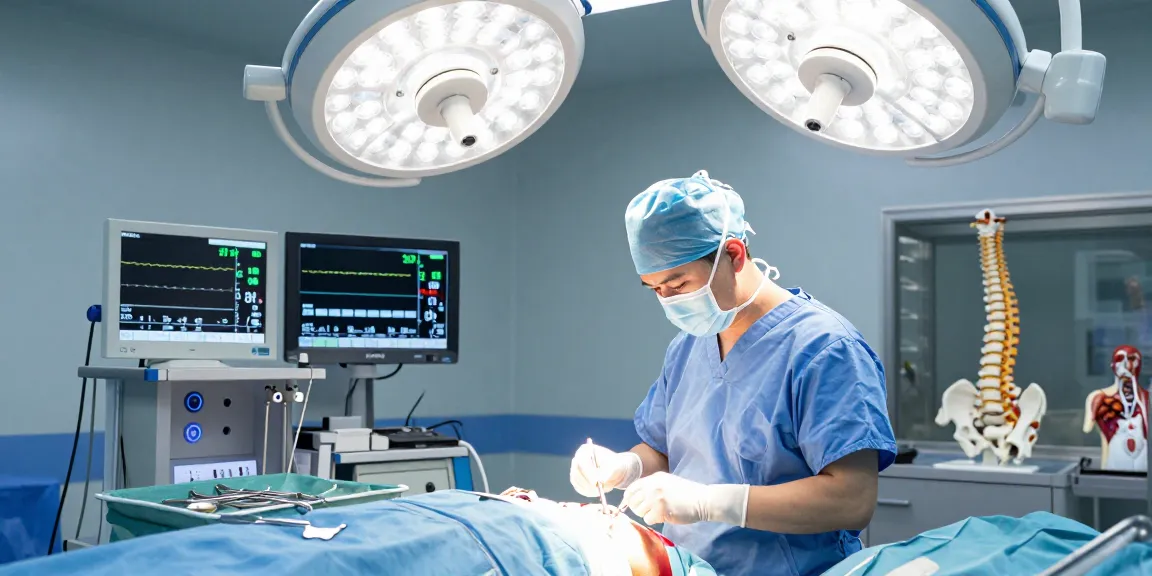
Understanding Dar Kanal Ameliyatı
Spinal stenosis, commonly referred to as "dar kanal" in Turkish, represents a narrowing of the spinal canal that can lead to pressure on the spinal cord and surrounding nerves. This condition primarily affects individuals as they age, resulting in symptoms such as pain, numbness, weakness in the legs, and reduced mobility. For those considering spinal stenosis surgery, or Dar kanal ameliyatı, it is crucial to understand the underlying causes, types of surgical procedures available, and the overall necessity of surgery.
What Is Spinal Stenosis?
Spinal stenosis is a condition characterized by the narrowing of spaces within the spine, which can lead to the compression of nerves traveling through the spine. The most common causes of spinal stenosis include degeneration due to aging, herniated discs, thickened ligaments, and bony growths. Symptoms can vary but typically include:
- Chronic pain in the back or neck
- Numbness or tingling in the legs
- Weakness in the extremities
- Difficulties with balance and coordination
If left untreated, spinal stenosis can significantly impair one's quality of life, leading to more severe complications such as loss of bladder or bowel control.
Why Is Surgery Necessary?
Surgery for spinal stenosis, specifically dar kanal ameliyatı, is often recommended when conservative treatments fail to alleviate symptoms. The primary goal of the surgery is to relieve pressure on the spinal cord and nerves, ultimately improving functionality and quality of life. Indications for surgery include:
- Persistent pain that interferes with daily activities
- Neurological deficits that worsen over time
- Symptoms that do not improve with physical therapy or pain management
In these cases, surgical intervention can be effective in alleviating symptoms and restoring mobility.
Types of Surgical Procedures
Dar kanal ameliyatı can be performed using various techniques, depending on the patient's specific condition. The most common types of surgeries include:
- Open Decompression Surgery: This method involves making a large incision to access the spinal canal directly, removing the bone or ligament causing the stenosis.
- Minimal Invasive Surgery: This technique utilizes smaller incisions and specialized tools to decompress the spinal canal with less damage to surrounding tissues.
- Spinal Fusion: In some cases, the surgeon may fuse adjacent vertebrae together to provide stability after decompression.
Each surgical method has its advantages and risks, which should be thoroughly discussed with a qualified spine surgeon to determine the best approach for the individual patient.
Risks and Complications of Dar Kanal Ameliyatı
While dar kanal ameliyatı can provide significant relief, it does carry potential risks and complications that patients must be aware of. Understanding these can help in preparing for surgery and managing expectations.
Common Complications
Some complications associated with spinal stenosis surgery may include:
- Infection at the surgical site
- Blood clots
- Persistent pain or discomfort
- Neurological complications, including weakness or numbness
Though many complications are rare, they underline the importance of selecting an experienced surgeon and adhering to post-operative care instructions diligently.
Understanding Revision Surgery Risks
Revision surgery may be necessary if the initial procedure does not yield the desired results, or if complications arise. Factors that may necessitate revision include:
- Recurrent stenosis at the same or different levels
- Persistent neurological symptoms
- Instability in the spine
Patients should have an open discussion with their healthcare provider regarding their specific risks and indicators for the need for additional surgery.
Patient Experiences with Complications
Many patients report varying experiences post-surgery, ranging from significant relief to persistent challenges. It's essential that patients engage in rehabilitation and follow-up care to monitor their recovery and address any complications early on.
Is Implants-Free Surgery Possible?
One prominent concern among patients undergoing dar kanal ameliyatı is whether the procedure can be performed without the use of implants. Understanding the implications can influence decisions regarding surgical options.
Benefits of Implants-Free Techniques
Implants-free surgery often utilizes minimal invasive techniques that can decrease recovery time and postoperative discomfort. The benefits include:
- Less tissue damage, leading to quicker recovery
- Reduced risk of infection associated with implants
- Maintained spine stability without additional materials
These advantages make implants-free techniques a favorable option for many patients, particularly for those with specific health concerns.
When Are Implants Necessary?
While implants are not always necessary, they may be required in cases where spinal stabilization is essential after decompression. Factors that may dictate the use of implants include:
- Severe degenerative changes
- Spinal instability post-decompression
- Multiple levels of stenosis
It is crucial to evaluate each case individually, considering the long-term health of the spine.
Comparative Outcomes of Surgical Techniques
Research shows that outcomes can vary significantly between implants-free and implants-based surgeries. Factors such as recovery time, pain levels, and overall satisfaction with the surgical outcome can influence patient preference, making informed discussions with healthcare providers vital.
Cost of Dar Kanal Ameliyatı in 2026
As with many medical procedures, the cost of dar kanal ameliyatı can vary widely based on several factors. Understanding these costs can assist in financial planning for patients considering surgery.
Factors Affecting Surgery Costs
Several factors can influence the overall cost of spinal stenosis surgery, including:
- The type of surgical procedure performed
- Length of hospital stay and recovery
- Surgeon’s fees and expertise
- Location of the surgery (hospital or surgical center)
By being aware of these factors, patients can make more informed decisions that align with their budget and health needs.
Insurance Coverage and Options
Insurance coverage for dar kanal ameliyatı varies. Patients should check with their insurance providers to understand coverage details, potential out-of-pocket costs, and any pre-authorization requirements. Many private insurance plans cover a portion of the surgery if deemed medically necessary.
Financial Planning for Patients
Planning for the financial aspects of dar kanal ameliyatı entails more than just understanding the surgery's cost. Patients should also consider:
- Co-pays and deductibles associated with insurance
- Potential lost wages during recovery
- Costs for follow-up care and rehabilitation
Working with a financial advisor or patient advocate can provide valuable insights into managing these costs effectively.
Post-Surgery Recovery and Management
The recovery process following dar kanal ameliyatı is critical for ensuring successful outcomes and improving quality of life. Understanding what to expect can help patients prepare adequately.
Initial Recovery Phase
Immediately following surgery, patients should expect:
- Monitoring in a recovery area
- Potential pain management strategies
- Instructions on mobility and physical activities
Most patients can begin walking shortly after surgery, which is crucial for the recovery process.
Long-term Care and Rehabilitation
Engaging in a structured rehabilitation program can greatly enhance recovery. Rehabilitation typically includes:
- Physical therapy focused on strength and mobility
- Pain management techniques
- Guidance on activity modifications
Long-term follow-up with the surgical team is essential to monitor progress and address any emerging concerns.
Preventing Recurrence After Surgery
While the goal of surgery is to relieve the current stenosis, patients should take proactive steps to maintain spinal health and prevent recurrence, such as:
- Maintaining a healthy weight
- Engaging in regular physical activity tailored to their condition
- Practicing good ergonomics when lifting or sitting
These lifestyle adjustments can significantly influence long-term outcomes.
What Common Questions Do Patients Have?
Patients often have many questions regarding their surgery and recovery. Common inquiries include:
- Will I need assistance post-surgery?
- When can I return to work?
- What signs should prompt me to contact my doctor?
Having these discussions preoperatively can enhance patient comfort and preparedness.
How to Prepare for Surgery?
Preparing for dar kanal ameliyatı involves several steps, including:
- Pre-operative assessments and consultations
- Arranging for postoperative care and assistance
- Gathering necessary medical records and documentation
Being organized can reduce stress on the day of the surgery and facilitate a smoother experience.
What to Expect During the Recovery Process?
Post-surgery, patients should expect a gradual return to normal activities as they heal. Some typical experiences during recovery include:
- Gradual increase in activity levels
- Follow-up appointments to monitor healing
- Engagement in physical therapy
Being informed helps manage expectations and encourages proactive participation in the healing process.. Additionally, Dar kanal ameliyatı provides further details.