1. Understanding Vinyl Flooring
1.1 What is Vinyl Flooring?
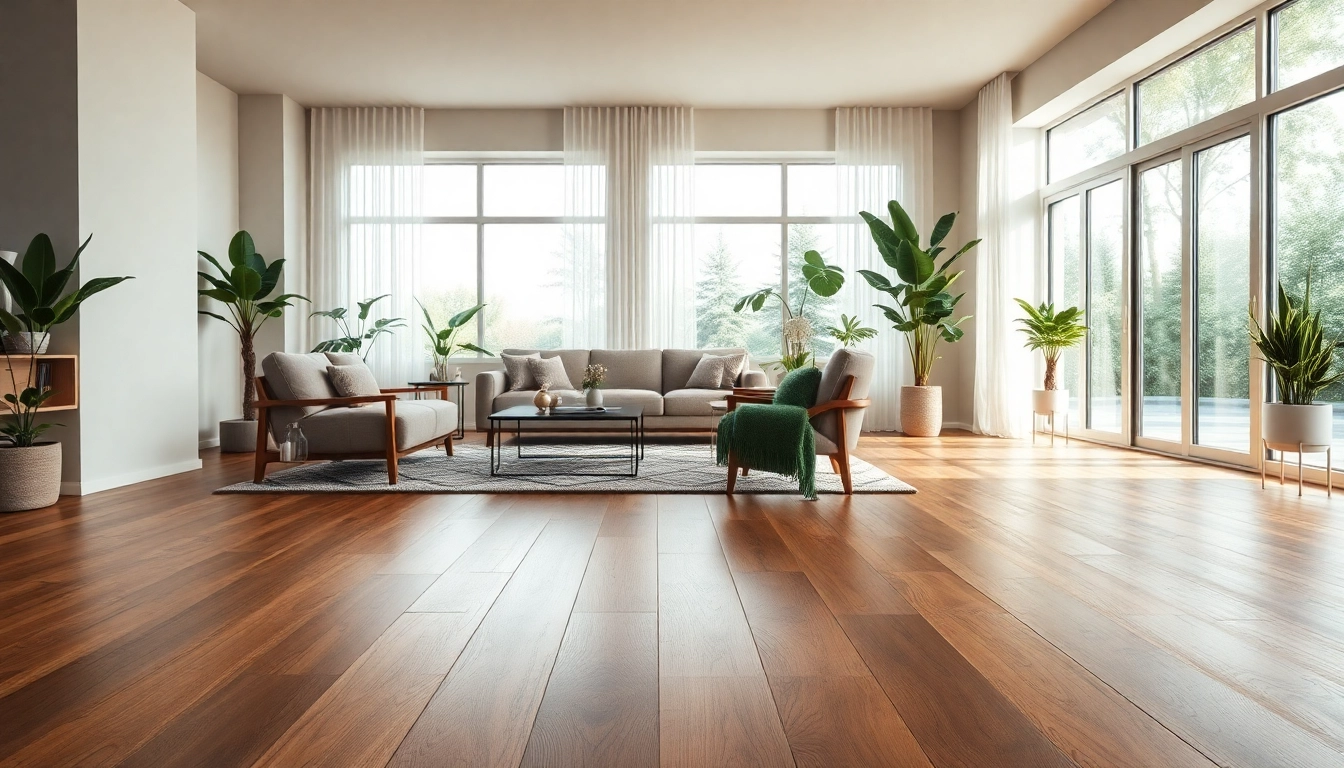
Vinyl flooring is a popular and versatile flooring option made from synthetic materials. Its construction typically consists of multiple layers, providing durability and comfort underfoot. Often laminated and printed to resemble wood, tile, or stone, vinyl flooring is favored for its versatility and aesthetic appeal. Various designs are available, enabling homeowners to find a look that complements their style. For anyone looking to transform their space, vinyl flooring offers the perfect blend of beauty and utility.
1.2 Types of Vinyl Flooring
There are primarily two types of vinyl flooring: vinyl sheet and vinyl tiles or planks. Each type serves different purposes and comes with unique features.
- Vinyl Sheet: This type comes in large, continuous sheets and is often used for larger spaces. Its seamless design minimizes water penetration, making it ideal for bathrooms and kitchens.
- Vinyl Tiles/Planks: These are individual pieces that mimic the look of natural materials like wood or stone. They are ideal for DIY projects as they can be installed easily, allowing for creative designs and layouts.
1.3 Benefits of Using Vinyl Flooring
Vinyl flooring offers an array of benefits that make it an attractive choice for many homeowners:
- Affordability: Vinyl flooring tends to be less expensive than hardwood or tile, making it accessible for a wide range of budgets.
- Water Resistance: Many vinyl products are water-resistant, making them suitable for areas that are prone to moisture, such as kitchens and bathrooms.
- Comfort and Insulation: With a soft surface that provides cushioning, vinyl flooring can be more comfortable underfoot compared to harder surfaces.
- Easy Maintenance: Cleaning vinyl flooring is a breeze; regular sweeping and occasional mopping are typically all that’s required.
- Durability: Vinyl is designed to withstand wear and tear, making it a long-lasting option in high-traffic areas.
2. Choosing the Right Vinyl Flooring
2.1 Assessing Your Space
Before selecting vinyl flooring, it’s crucial to assess your space. Consider the room's size, lighting, and existing decor. A smaller room may benefit from lighter tones, enhancing the feeling of openness, while larger spaces can accommodate bolder designs. Additionally, identifying high-traffic areas can help in choosing a more durable flooring option to withstand continuous use.
2.2 Style and Aesthetic Considerations
Your flooring should reflect your personal style and harmonize with your home’s overall aesthetic. Vinyl flooring is available in a variety of styles—wood-look, stone-look, and abstract designs. If your home features traditional decor, consider opting for a wood-like vinyl that adds warmth and character. In contrast, modern interiors may thrive with sleek, minimalist designs. Take samples home to view how they look in your space, accounting for natural light and surrounding colors.
2.3 Durability and Maintenance Factors
When selecting vinyl flooring, consider its durability and maintenance requirements. Look for high-quality options that include a wear layer, which protects against scratches and stains. This is especially important in homes with pets or children. Additionally, consider any specific maintenance needs based on the finish; some vinyl flooring may require special cleaning products, while others can be maintained with basic cleaning solutions. Long-term, invest in flooring that aligns with your lifestyle and cleaning habits.
3. Installation Process for Vinyl Flooring
3.1 Preparing Your Subfloor
Proper subfloor preparation is critical to a successful vinyl flooring installation. Start by ensuring the subfloor is clean, dry, and level. Any imperfections should be repaired to prevent issues down the line. Moisture barriers might be necessary depending on the location—especially in basements—so always consult manufacturer specifications.
3.2 Effective Installation Techniques
Installation techniques can vary, but here are key methods based on the type of vinyl:
- Vinyl Sheets: These require cutting to size and adherence using appropriate adhesive. Use a roller to ensure proper bonding.
- Vinyl Tiles/Planks: Many come with a click-lock feature, allowing for straightforward installation without glue. Manufacturers often provide detailed instructions; following these ensures a thorough and effective installation.
3.3 Common Mistakes to Avoid
To ensure a smooth installation process, avoid these common pitfalls:
- Neglecting subfloor preparation can lead to poor adhesion and visible imperfections in your flooring.
- Ignoring manufacturer guidelines regarding temperature and humidity during installation can affect the flooring's performance.
- Not allowing acclimatization time—most vinyl products need to adjust to room temperature before installation.
4. Cost Considerations of Vinyl Flooring
4.1 Breakdown of Costs
The overall cost of vinyl flooring can vary widely due to several factors, including material type, quality, and installation costs. Generally, vinyl sheet may be priced lower than high-end luxury vinyl planks. On average, you can expect to pay between $2 to $7 per square foot for the material itself. Additional costs, such as underlayment or removal of existing flooring, should also be factored into the total expense.
4.2 Budgeting for Installation
When budgeting for vinyl flooring, consider both material and labor costs. If you plan to hire professionals, labor can add $1 to $4 per square foot. DIY enthusiasts can save on labor but must ensure they have the necessary tools and skills for a successful installation. A well-prepared budget accounts for unexpected expenses—such as subfloor repairs—that may arise during the process.
4.3 Long-Term Value Assessment
Vinyl flooring typically offers a great return on investment, especially when considering durability and maintenance savings. Quality vinyl can last up to 25 years, making it a practical choice for homeowners looking for longevity. Additionally, its resistance to moisture and easy maintenance can save you time and money in the long run, which enhances its overall value compared to other flooring options.
5. FAQs About Vinyl Flooring
5.1 Is vinyl flooring safe for children and pets?
Yes, vinyl flooring is generally considered safe for children and pets, as it does not contain harmful chemicals and is easy to clean.
5.2 How do I clean and maintain vinyl flooring?
Maintain vinyl flooring by regularly sweeping it to remove dirt and using a damp mop with a gentle cleaner for deeper cleaning.
5.3 Can vinyl flooring be repaired if damaged?
Yes, minor damages like scratches can often be repaired with specific cleaning or repair kits designed for vinyl flooring.
5.4 What are the best rooms for vinyl flooring?
Vinyl flooring is ideal for high moisture areas like kitchens and bathrooms, as well as living spaces, dining rooms, and basements.
5.5 How long does vinyl flooring last?
Quality vinyl flooring can last 10 to 25 years, depending on the material used and maintenance practices. Regular care keeps it in good condition.