Understanding Vapor Barrier Installation
When it comes to protecting your home from moisture damage, the Vapor Barrier Installation plays a crucial role. A well-installed vapor barrier acts as a protective layer, preventing moisture from seeping into the materials that make up your home. Whether your property is built on a crawl space, a basement, or simply needs a safeguard against rising dampness, understanding the nuances of vapor barrier installation is imperative for homeowners and construction professionals alike.
What is a Vapor Barrier?
A vapor barrier is a material that minimizes the movement of moisture through walls, ceilings, and floors, acting as a key component in building science and moisture control. Typically made from polyethylene plastic or foil-faced materials, vapor barriers are designed to be impermeable to water vapor. These barriers prevent moisture from penetrating living spaces from the earth or outside, protecting structures from the detrimental effects of dampness.
In essence, vapor barriers should be strategically placed to manage the movement of moisture; they can be situated in walls, foundations, crawl spaces, or ceilings, depending on construction type and regional climate conditions. Knowing where and how to install these barriers effectively is essential for enhancing durability and preventing moisture-related issues.
Importance of Vapor Barrier Installation
Understanding the significance of vapor barrier installation goes beyond merely grasping its definition. Proper installation is vital in maintaining optimal indoor humidity levels, ensuring structural integrity, and improving overall air quality. Without a vapor barrier, moisture can infiltrate substrates, fostering environments conducive to mold, rot, and decay.
In addition, homes equipped with vapor barriers report lower energy costs as they uphold temperature consistency, making HVAC systems more effective. Consequently, vapor barriers are not just a preventative measure; they are a fundamental aspect of modern building practices aimed at longevity and energy efficiency.
Common Materials Used in Vapor Barriers
Several materials can be employed when installing vapor barriers, each tailored to specific needs, environmental conditions, and building codes. Common choices include:
- Polyethylene Plastic: Most prevalent due to its durability and moisture resistance, typically available in varying thicknesses.
- Foil-Faced Kraft Paper: Combines moisture and vapor resistance with insulation, often used in walls and ceilings.
- Rubberized Asphalt: Provides a durable, flexible option that adheres well to uneven surfaces.
- Spray Foams: Effective as both insulation and a vapor barrier, though typically more expensive.
Choosing the right material hinges on the installation environment and the specific moisture control requirements of a given structure.
Benefits of Proper Vapor Barrier Installation
Preventing Moisture Damage
One of the most significant advantages of proper vapor barrier installation is its role in moisture damage prevention. By forming a shield against external moisture, these barriers help avert structural issues emanating from excess humidity. Over time, sustained moisture exposure can lead to problems like wood rot, corrosion of metal components, and the development of mold.
Moreover, a home protected by an efficient vapor barrier helps mitigate health risks posed by mold and mildew, which thrive in damp environments and adversely affect indoor air quality.
Improving Indoor Air Quality
Indoor air quality (IAQ) is a critical aspect of maintaining a healthy living environment. Vapor barriers help reduce the accumulation of harmful pollutants by preventing moisture that facilitates mold growth. Properly installed barriers can translate to safer breathing conditions while also enabling HVAC systems to operate more effectively and efficiently, further promoting better air quality.
Enhancing Energy Efficiency
Energy efficiency in homes is multifaceted; it encompasses insulation, proper ventilation, and, crucially, vapor barriers. A correctly positioned vapor barrier reduces the strain on heating and cooling systems by limiting moisture movement that can disrupt air temperature. Such efficiency not only lowers energy bills but also extends the life of HVAC systems, which can translate into long-term cost savings for homeowners.
Steps for Effective Vapor Barrier Installation
Preparing the Space
Preparation is fundamental to successful vapor barrier installation. Proper inspection of the area where the vapor barrier will be placed is essential. Homeowners should begin by removing debris, ensuring the surface is clean and dry. Next, check for any signs of existing moisture damage or mold growth—this may require professional remediation before proceeding.
Once a thorough assessment is made and the space is prepped, it’s important to address any cracks or potential moisture entry points in the foundation. Sealing these areas is critical to the overall efficacy of the vapor barrier.
Installing the Vapor Barrier
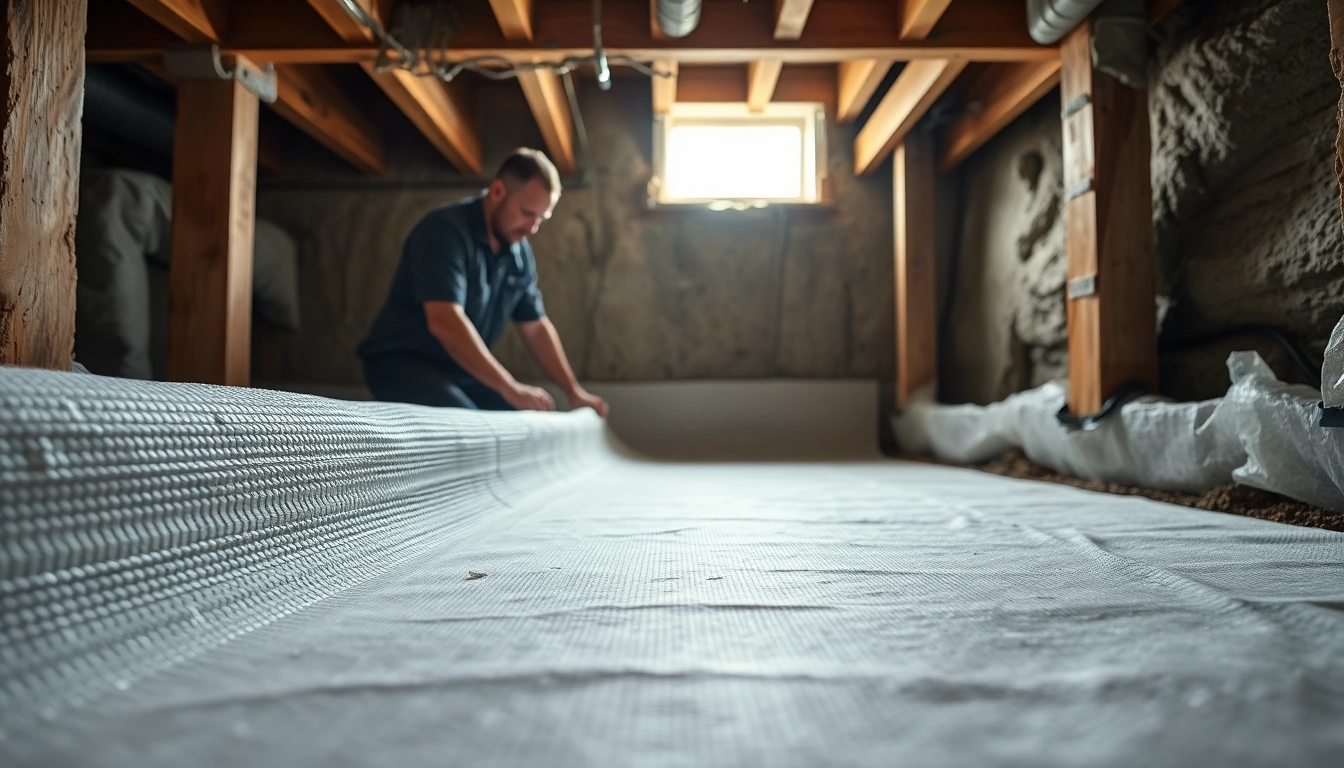
With the area prepared, the next step is the installation itself. This generally involves unrolling the plastic sheeting or positioning the chosen vapor barrier material across the designated area. Be sure to lay the barrier flat, extending it up the walls a few inches if possible, and overlap any seams or joints to ensure continuity.
Use appropriate fasteners or adhesives to secure the edges, and avoid cutting corners; proper tension and coverage are key elements of an effective installation. Remember to leave room for drainage if the location is prone to water accumulation.
Sealing and Finishing the Installation
After the vapor barrier is installed, the final steps involve thorough sealing of seams and edges. Use compatible tape designed for vapor barriers to cover all overlaps, ensuring no gaps exist that could allow moisture penetration.
Finish with a last inspection, looking for any missed spots or vulnerabilities. Proper sealing confirms the vapor barrier's effectiveness, providing peace of mind and full protection against moisture infiltration.
Common Challenges in Vapor Barrier Installation
Identifying Moisture Sources
One of the biggest hurdles in vapor barrier installation is effectively identifying all sources of moisture. It’s crucial to conduct a comprehensive assessment, considering factors like drainage issues, humidity levels in the surrounding environment, and potential leakage points. Utilizing moisture meters can aid in pinpointing problem areas.
Handling Uneven Surfaces
Uneven surfaces can complicate vapor barrier installations, leading to gaps and insufficient coverage. In such cases, using self-leveling compounds or choosing flexible vapor barrier materials can help contour to the surface, ensuring a seal that accommodates existing imperfections.
Maintaining Adequate Ventilation
While vapor barriers limit moisture, it’s essential to maintain sufficient ventilation in enclosed areas like crawl spaces and basements. Inadequate airflow can lead to stagnant conditions, which may promote dampness and mold growth. Incorporating ventilation solutions, such as fans or vents, can support the overall moisture management strategy.
FAQs About Vapor Barrier Installation
How does a vapor barrier help with moisture control?
A vapor barrier restricts moisture vapor from entering the building structure, significantly reducing humidity levels and maintaining a dry environment, thereby preventing mold and structural damage.
Can I install a vapor barrier myself?
While DIY installation is possible, careful planning, correct material choice, and adherence to installation guidelines are vital to ensure effectiveness. Professional installation may be advisable for complex cases.
What types of vapor barriers are best suited for crawl spaces?
Polyethylene sheeting is most commonly used in crawl spaces due to its durability and moisture resistance. Foil-faced materials can also be effective in colder climates.
How do I know if my vapor barrier is installed correctly?
Check for a continuous, flat application without gaps, and ensure all seams are securely sealed. Properly installed barriers will prevent moisture penetration and maintain balance humidity levels.
Are there maintenance requirements for vapor barriers?
Regular inspections are recommended to check for tears, moisture accumulation, or signs of mold. Addressing any concerns promptly can help prolong the barrier's effectiveness and longevity.