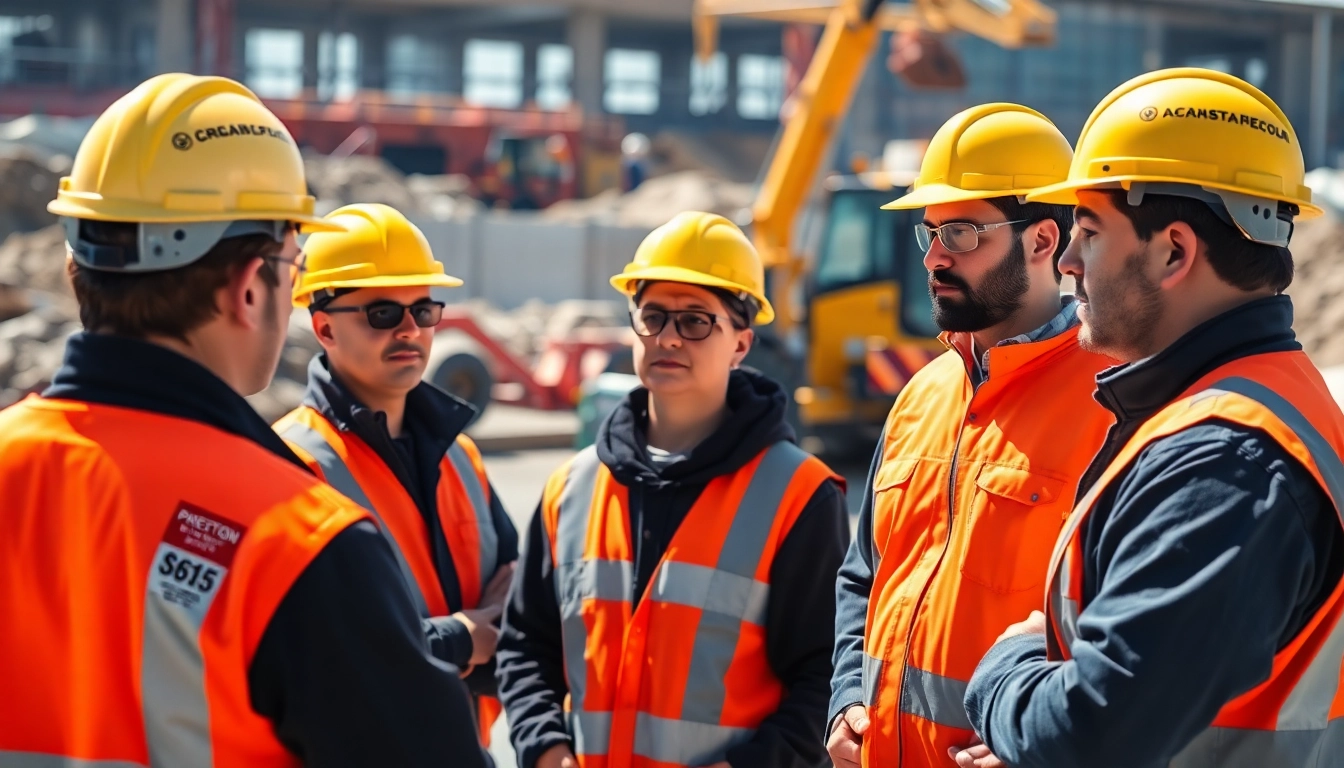
Understanding Construction Safety Training
What is Construction Safety Training?
Construction safety training is a specialized program designed to educate workers about the safety protocols, practices, and regulations they must adhere to on construction sites. This training encompasses a wide range of topics, including hazard recognition, personal protective equipment (PPE) usage, emergency response plans, and equipment operation safety. It seeks to enhance workers' awareness of risks they may encounter and instill a culture of safety that promotes vigilant behavior to minimize accidents and injuries.
Importance of Safety Training in Construction
The construction industry is inherently dangerous, with high rates of workplace injuries and fatalities. Effective safety training is crucial to reducing these risks. Investing in construction safety training not only complies with legal requirements but also fosters a workplace culture focused on health and safety. Workers who receive thorough training are better equipped to identify hazards, respond to emergencies, and utilize safety equipment properly. Moreover, organizations that prioritize safety training benefit by reducing downtime, lowering insurance costs, and enhancing employee morale.
Key Focus Areas in Training Programs
Successful construction safety training programs typically cover several key areas:
- Hazard Recognition: Teaching workers how to identify potential hazards on the job site.
- Use of Personal Protective Equipment (PPE): Training on the correct use and maintenance of PPE such as helmets, gloves, and safety goggles.
- Emergency Response Procedures: Preparing workers for responding to various emergencies, including injury incidents and exposure to hazardous materials.
- Safe Equipment Operation: Ensuring that staff members understand the safe operation of machinery and tools used during construction tasks.
- Regulatory Compliance: Familiarizing employees with OSHA standards and local regulations relevant to their specific roles.
Common Challenges in Construction Safety Training
Lack of Engagement Among Workers
One of the primary challenges in delivering effective construction safety training is maintaining worker engagement. Workers often perceive training as a tedious obligation, leading to disengagement and diminished retention of information. To combat this, trainers must develop interactive and relatable content that encourages participation, such as discussions, group activities, and scenario-based learning.
Inadequate Resources and Tools
Many organizations struggle with limited resources for comprehensive safety training. This may include insufficient training materials, lack of access to training facilities, or inadequate time allocated for training sessions. Organizations should assess their current resources and consider investing in high-quality training materials and technologies that enhance the learning experience, such as online platforms or mobile training applications.
Retention of Safety Protocols
Even after completing training, employees might struggle to remember safety protocols when faced with real-life scenarios. Reinforcement is essential. Organizations can implement follow-up sessions, refreshers, or safety drills to ensure that safety protocols remain top of mind. Incorporating regular safety meetings can also facilitate ongoing dialogue about workplace safety.
Best Practices for Implementing Construction Safety Training
Creating Interactive Training Modules
To captivate workers and enhance their learning experience, training modules should be interactive. Incorporate elements such as quizzes, videos, hands-on demonstrations, and group discussions. This approach not only allows workers to engage actively but also helps reinforce the information being taught.
Incorporating Real-World Scenarios
Utilizing real-world scenarios and case studies during training can help workers understand the practical application of safety measures. Discussing actual incidents can also emphasize the importance of safety protocols. Tailoring scenarios to mirror the specific work environment makes the training relatable and applicable to participants.
Utilizing Technology in Training
Advancements in technology offer innovative solutions for safety training. Virtual reality (VR) simulations can immerse workers in realistic scenarios, providing them with hands-on experience in a controlled environment. Additionally, online safety courses can offer flexibility, allowing workers to learn at their own pace while covering essential topics.
Evaluating the Effectiveness of Safety Training
Metrics for Success
To gauge the success of safety training initiatives, organizations should establish clear metrics. Common metrics include the number of reported accidents or near misses before and after training, employee participation rates, and passing rates on training assessments. Tracking these metrics over time can provide insights into the effectiveness of the training and highlight areas that may require additional focus.
Collecting Feedback from Workers
Gathering feedback from workers who have undergone safety training is vital in assessing the program’s effectiveness. Surveys or focus groups can help managers understand the participants’ thoughts on the training content, delivery methods, and areas needing improvement. This feedback can be instrumental in refining future training sessions.
Continuous Improvement Strategies
Safety training should never be static. Continuous improvement is essential for adapting to new risks, technologies, and best practices. Organizations should regularly update training materials, based on new regulations or industry advancements, and incorporate worker feedback to ensure training remains relevant and effective.
Future Trends in Construction Safety Training
Emphasizing Mental Health and Wellbeing
The importance of mental health in the workplace is gaining significant recognition. Future construction safety training programs will increasingly focus on mental wellbeing, addressing stress management and psychological safety. By fostering a work culture that prioritizes mental health, organizations can contribute to a more resilient and productive workforce.
The Role of Virtual Reality in Training
As technology evolves, the integration of virtual reality in construction safety training is becoming more prevalent. VR can create immersive environments that allow workers to experience and react to hazards without real-world consequences. This experiential learning can lead to better preparedness and understanding of safety protocols.
Compliance with Emerging Safety Standards
Construction safety regulations are continually evolving, introducing new compliance requirements. Training programs must be agile, adapting to incorporate changes in legislation and safety practices. Staying ahead of these changes ensures that workers are trained based on the latest standards and helps organizations avoid legal repercussions.
FAQs on Construction Safety Training
What materials are used in construction safety training?
Common materials include manuals, videos, online courses, interactive modules, and hands-on equipment demonstrations. These resources ensure comprehensive understanding.
How often should training sessions be conducted?
Training sessions should be conducted regularly, at least annually, or whenever significant changes in procedures or regulations occur. Frequent refreshers keep safety top of mind.
Are online courses effective for safety training?
Yes, online courses can be effective, especially when they're interactive and engaging. They offer flexibility and convenience for workers to learn at their own pace.
What are the consequences of inadequate safety training?
Inadequate safety training can lead to increased accidents, injuries, legal penalties, reduced employee morale, and financial losses due to worker compensation claims.
How can I engage workers during training sessions?
Engagement can be increased by incorporating multimedia presentations, real-life scenarios, group activities, and providing opportunities for discussion and questions.