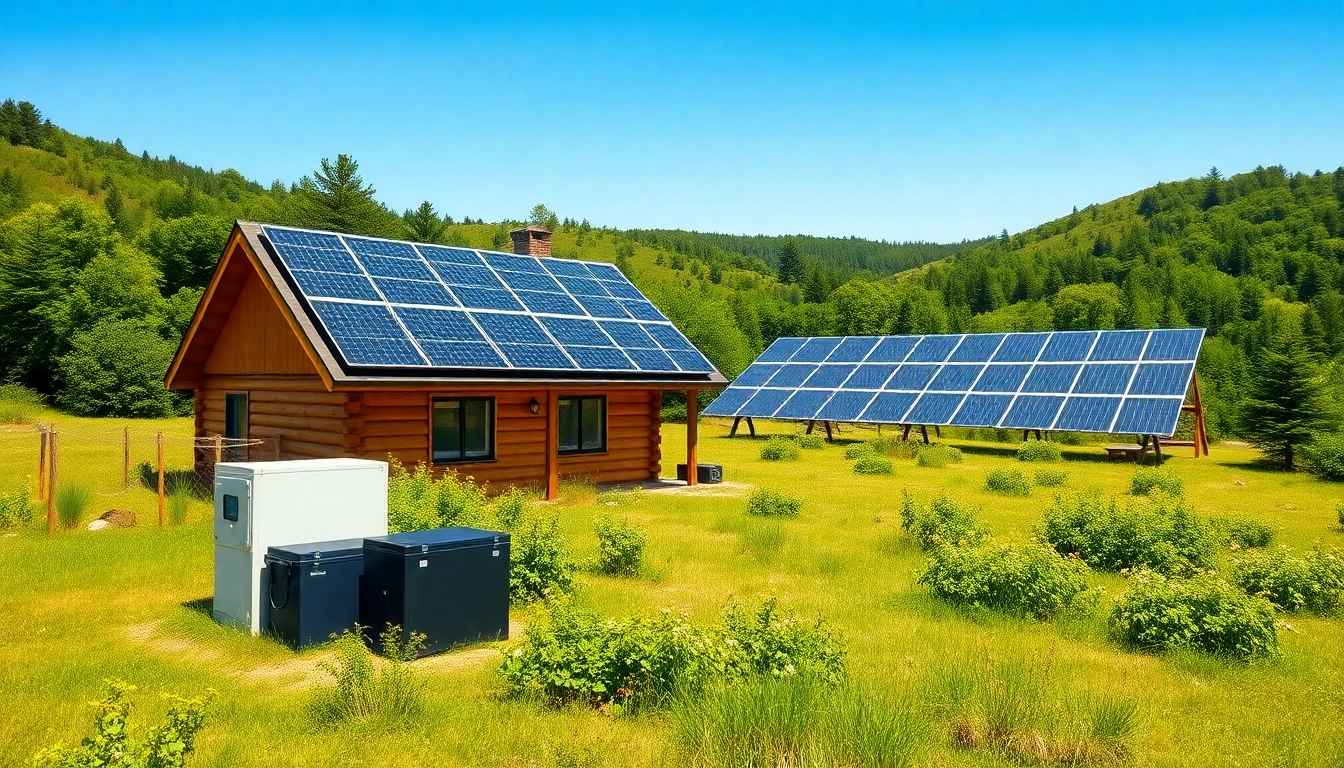
Understanding Off Grid Home Solar Systems
In an era where sustainable living and energy independence are becoming increasingly important, the off grid home solar system stands as a beacon of innovation. These systems allow homeowners to generate power independently of the traditional electricity grid, harnessing the sun's energy to fuel their daily needs. As technology evolves and environmental considerations grow, understanding the intricacies of off grid systems becomes essential for anyone considering this path. This guide will explore what these systems entail, their key components, benefits, and practical insights for choosing the right solution for your home.
What is an Off Grid Home Solar System?
An off grid home solar system is designed to operate independently, providing electricity without the need for connection to a centralized power grid. These systems utilize solar panels to convert sunlight into electricity, which is then stored in batteries for use during the night or on cloudy days. This self-sufficiency is particularly advantageous for remote locations where grid access is limited or for individuals seeking energy independence.
Key Components of Off Grid Systems
- Solar Panels: The heart of the system, converting sunlight into usable electricity.
- Batteries: Essential for storing energy generated during the day for nighttime use.
- Inverter: Converts the stored DC electricity from batteries into AC power for household use.
- Charge Controller: Regulates the voltage and current coming from the solar panels to prevent overcharging the batteries.
- Mounting Hardware: Supports the solar panels, keeping them secure and optimally angled for sunlight exposure.
Benefits of Going Off Grid
The transition to an off grid home solar system presents numerous advantages. First and foremost, it offers complete energy independence, eliminating reliance on fluctuating utility prices and the ever-looming threat of energy shortages. Additionally, these systems often lead to lower long-term costs. Once the initial investment is made, maintenance costs are minimal, and the savings on electricity can be significant. The ecological benefits are also compelling; solar energy is renewable and generates no emissions, making it an environmentally friendly option.
Choosing the Right Off Grid Home Solar System
Evaluating Energy Needs for Your Off Grid Home
Assessing your energy requirements is a crucial first step before purchasing an off grid solar system. Begin by listing all electrical appliances you plan to use, along with their wattage and estimated daily usage hours. This data will help you calculate your total energy consumption in kilowatt-hours (kWh). Understanding your energy needs ensures you choose an appropriately sized system that will support your lifestyle.
Best Practices for Sizing Your Solar System
When sizing an off grid solar system, keep these best practices in mind:
- Account for peak usage: Consider the maximum wattage needed during peak times, which may require additional capacity in your inverter.
- Consider seasonal variations: Plan for variations in sunlight, particularly if you live in an area with significant weather changes.
- Include a buffer: Design your system to accommodate 3-5 days of energy needs, ensuring reliability during prolonged periods of cloud cover.
Comparing Off Grid System Types and Configurations
Off grid systems can be configured in several ways depending on your individual requirements. There are basic setups for small homes using minimal power and more complex configurations for larger households or farms, with capacities ranging from 3kW to 60kW. It's vital to assess which configuration aligns best with your energy needs, available space, and budget.
Installation and Maintenance of Off Grid Systems
Step-by-Step Installation Guide
Installing an off grid solar system can be accomplished in several steps:
- Site Assessment: Evaluate the installation site for sunlight exposure and space for solar panels.
- Kit Selection: Choose a solar kit that includes all the necessary components.
- Mounting Setup: Install mounting brackets to secure the solar panels.
- Panel Installation: Attach solar panels to the mounting brackets, ensuring they are angled for maximum sunlight exposure.
- Electrical Connections: Connect the solar panels to the charge controller, batteries, and inverter.
- System Testing: Once installed, test the system to verify all components are functioning correctly.
Essential Maintenance Tips for Longevity
Maintaining your off grid solar system is key to ensuring its longevity and efficiency. Here are essential maintenance tips:
- Regularly clean the solar panels to remove dust and debris which can impede performance.
- Inspect battery terminals and connections for corrosion and secure fit.
- Monitor the charge controller display for system performance and battery health.
- Schedule periodic professional inspections to identify and address any potential issues.
Common Issues and Troubleshooting Experiences
Some common issues may arise with off grid systems, including:
- Insufficient Power: If you experience power shortages, re-evaluate your energy consumption and consider resizing your solar system.
- Battery Failures: Reduced battery performance can indicate age or inadequate charging; monitoring and maintenance are crucial.
- Inverter Issues: If the inverter fails to convert power, check connections and review the inverter's specifications for compatibility with your system.
Real-World Applications and Case Studies
Successful Off Grid Home Solar Projects
Numerous homeowners have successfully transitioned to off grid living. For example, a family in a remote location utilized a 10kW off grid system to power their home. They reported significant savings on energy costs and enhanced reliability compared to their previous grid connection, particularly during severe weather. Such case studies showcase the potential of off grid systems to provide energy resilience and independence.
Impact on Remote Communities and Sustainability
Off grid solar systems are proving transformative for remote communities lacking access to reliable electricity. By harnessing local solar resources, these communities can achieve energy independence, reduce reliance on fuel imports, and significantly lower emissions. This trajectory not only fosters economic sustainability but also enhances the quality of life for residents through increased access to energy for homes and businesses.
Innovative Uses of Off Grid Solar Solutions
The versatility of off grid solar solutions extends beyond powering homes. Innovative applications include:
- Remote farming operations that use solar power for irrigation and equipment.
- Solar-powered water pumps for communities in arid regions, facilitating access to clean water.
- Mobile off grid solutions for outdoor enthusiasts, offering portable power for camping or RVing.
Future Trends in Off Grid Solar Technology
Emerging Technologies in Solar Energy
The future of off grid solar technology is bright, with emerging trends that promise even greater efficiency and accessibility. Innovations such as building-integrated photovoltaics (BIPV), improved battery chemistries, and smart energy management systems are set to revolutionize the field. These advancements will not only enhance energy capture and storage but also ensure that off grid systems remain adaptable to evolving consumer needs.
Financial Incentives and Support for Off Grid Systems
As the push for renewable energy increases, many governments are offering financial incentives to promote the adoption of off grid solar systems. These incentives can include tax credits, rebates, and grants aimed at reducing the initial investment barrier. Homeowners should explore available programs to make their transition to off grid living more affordable.
Predictions for Off Grid Solar Systems by 2025
Looking ahead to 2025, we can expect continued growth in the off grid solar sector driven by technological advancements and rising energy prices. It is predicted that more homeowners will opt for off grid systems as solar technology becomes more efficient and cost-effective, leading to a broader acceptance of sustainable energy solutions across various demographics.