Understanding the Basics of Transportation
Transportation is an essential part of human society that facilitates the movement of people, goods, and services. Its significance is evident in our daily lives, from school commutes to the shipping of products to businesses. With the growing urbanization and globalization, the demand for efficient transportation systems is ever-increasing. Transportation encompasses various modes and methods, each contributing uniquely to connectivity and mobility.
What is Transportation?
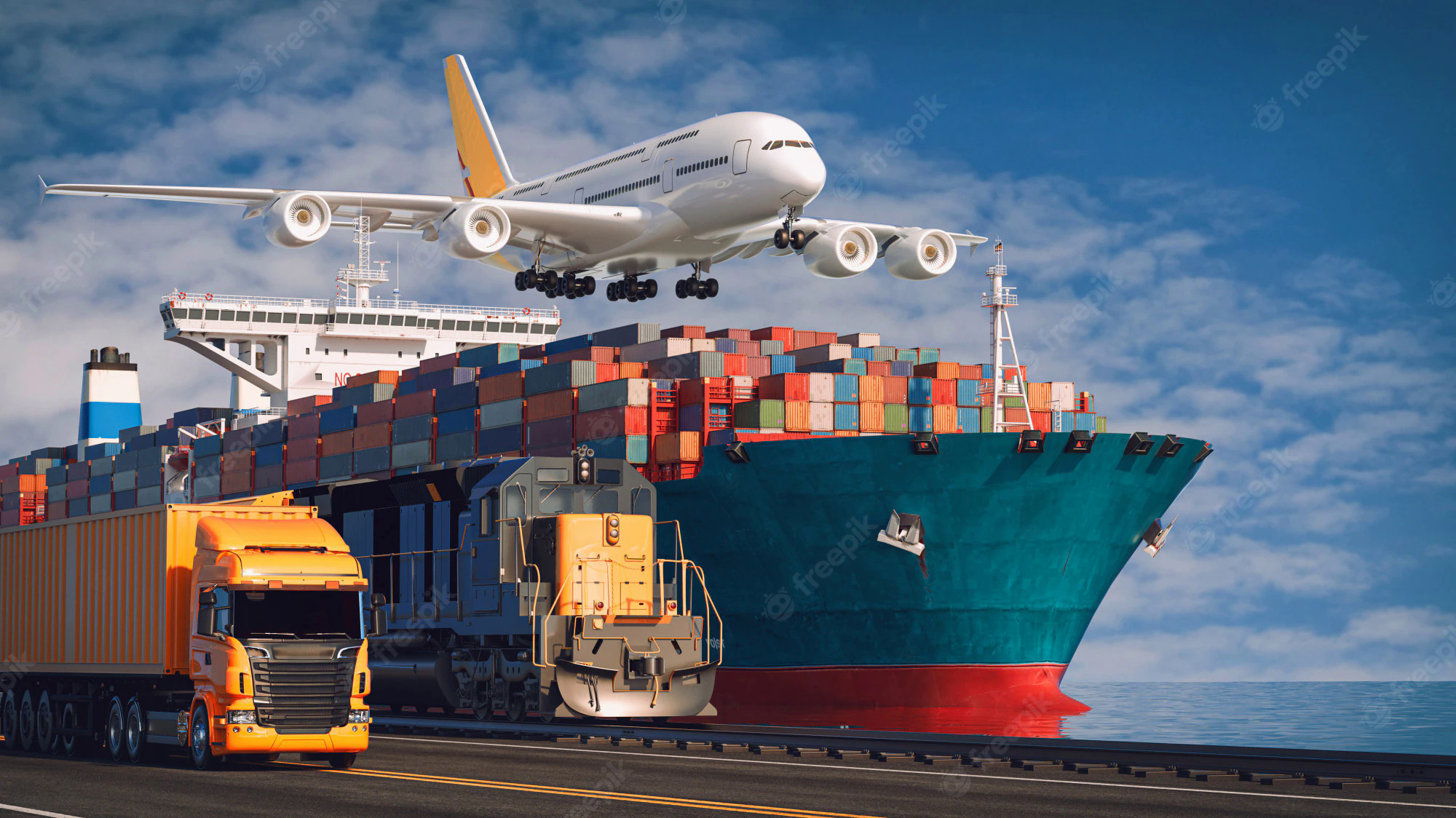
At its core, transportation refers to the movement of individuals and goods from one location to another. This can occur through several means, including road, rail, air, and waterways. The concept can be defined broadly to include not only the vehicles and networks involved but also the regulations and policies that govern them. Transportation systems serve as the arteries of an economy, playing a vital role in trade, commerce, and everyday life.
Types of Transportation: A Comprehensive Overview
Transportation can be categorized based on various criteria, including the medium used, the purpose of the movement, and the nature of the transport systems.
Land Transportation
Land transport is one of the most common forms of transportation and includes vehicles that travel on roads and railways. This category can be further divided into:
- Road Transport: Involves vehicles such as cars, buses, and trucks that move on roads. This system is highly flexible and can operate in urban as well as rural areas.
- Rail Transport: Comprises trains that run on tracks, providing efficient transportation over long distances. Railways are often seen as a sustainable option for freight movement.
Air Transportation
Air transport is characterized by the use of aircraft to transport passengers and cargo across countries and continents. It is the fastest mode of transportation and is crucial for international travel and commerce.
Water Transportation
Water transport utilizes vessels such as ships and boats for moving goods and people across seas, rivers, and lakes. It is often considered a more economical choice for transporting large volumes of goods over long distances.
Pipeline Transportation
Pipelines are utilized primarily for transporting liquids and gases, such as oil and natural gas. This method is highly efficient, though it requires significant investment in infrastructure.
The Role of Transportation in Urban Development
Transportation and urban development are inextricably linked. The efficiency and accessibility of transportation systems can significantly influence urban growth patterns.
Urban Mobility
Effective transportation facilitates urban mobility, allowing citizens to access jobs, education, and services. Cities with robust public transportation systems witness higher economic development due to increased accessibility.
Land Use Planning
Land-use planning often revolves around transportation infrastructure. Future developments are frequently guided by the proximity to transport hubs to enhance connectivity.
Evolution of Transportation Systems
Historical Overview of Transportation Innovations
Transportation has undergone significant transformations throughout history. From the invention of the wheel to the advent of smart technologies, each era has introduced innovations that have reshaped how we move.
Pre-Industrial Era
Before the industrial revolution, transportation was primarily dependent on animal power and human effort. Canals and roads were constructed, facilitating commerce and mobility, albeit at limited speed and capacity.
Industrial Revolution
The introduction of steam power marked a turning point during the industrial revolution. Locomotives and steamships revolutionized long-distance travel and freight shipping, laying the groundwork for modern transportation systems.
Modern Innovations
The late 20th and early 21st centuries have witnessed breakthroughs in transportation technology, including the rise of electric vehicles, advancements in aviation efficiency, and the development of intelligent transportation systems.
Impact of Technology on Transportation Methods
Technological advancements have significantly enhanced the efficiency and safety of transportation systems. Key innovations include:
Automated Systems
Automation is shaping transportation with features such as autonomous vehicles and smart traffic management systems. These innovations aim to streamline traffic flow and reduce human error in driving.
Digital Mobility Solutions
The rise of mobile applications has transformed the way people interact with transportation services. Ride-sharing platforms and navigation apps have made transportation more accessible and user-friendly.
Current Trends in Transportation Development
Transportation development is continuously evolving to meet changing demands. Current trends include:
Sustainable Transportation
As concerns over climate change grow, there is a significant shift towards sustainable options like electric vehicles, cycling, and public transit. Urban planners are focusing on reducing carbon footprints through green transport solutions.
Smart Cities
In the context of smart cities, data-driven approaches are being implemented to enhance transport efficiency. Integrating various modes of transport through technology allows cities to better manage congestion and improve public transit services.
Challenges in Transportation
Navigating Traffic Congestion
Urban areas frequently face traffic congestion, leading to increased travel times and frustration for commuters. Solutions to this challenge include:
Investing in Infrastructure
Enhancing road and public transit infrastructure plays a vital role in alleviating congestion. Integrating effective public transportation options can encourage commuters to opt for mass transit over personal vehicles.
Promoting Alternative Transportation Modes
Encouraging biking, walking, and carpooling can significantly reduce the number of vehicles on the road, leading to less congestion and pollution.
Environmental Considerations and Sustainability
Transportation is a major contributor to greenhouse gas emissions. Addressing environmental concerns involves:
Reducing Emissions
Implementing stricter emissions regulations for vehicles and promoting cleaner fuels can help minimize the environmental impact of transportation.
Investing in Renewable Energy
Utilizing renewable energy sources for public transportation systems can greatly reduce reliance on fossil fuels, thereby fostering sustainability within urban transport systems.
Accessibility Issues in Public Transportation
Ensuring that public transport is accessible to all community members, including those with disabilities, is crucial. Strategies include:
Infrastructure Modification
Upgrading public transport facilities and vehicles to meet accessibility standards can remove barriers for individuals with mobility challenges.
Community Engagement
Engaging with community members to understand their specific needs can guide effective planning and improvements in transport services.
Best Practices for Efficient Transportation
Optimizing Public Transportation Services
Efficient public transportation is essential for urban sustainability. Best practices include:
Timeliness and Reliability
Public transport systems should prioritize punctuality and reliability. Implementing real-time tracking technology can help keep passengers informed about service availability.
Customer-Centric Approaches
Gathering feedback from users about transit experiences can lead to better service offerings that meet the needs of the community.
Promoting Sustainable Transportation Modes
Encouraging sustainable transportation modes involves:
Education and Outreach
Educational campaigns that inform the public about the benefits of biking, walking, and using public transport can promote behavior change.
Incentive Programs
Local governments can incentivize the use of sustainable transport modes through tax breaks for electric vehicle users or subsidies for public transportation fares.
Collaborative Efforts in Community Transportation Planning
Involving various stakeholders in transportation planning ensures a holistic approach. Collaboration can occur among:
Government Agencies
Federal, state, and local government agencies should work together to create cohesive transportation strategies that benefit all residents.
Community Groups
Public engagement with local communities can provide insight into transport preferences and needs, enhancing the relevance of proposed solutions.
Future of Transportation
Smart Transportation Solutions and Innovations
The future of transportation will be shaped by continued innovation. Some future trends include:
Multi-Modal Transport Systems
Integrated multi-modal transport systems allow for seamless transitions between different transport modes, providing a cohesive travel experience for users.
Interconnected Infrastructure
Future transportation infrastructure will increasingly rely on interconnectivity, utilizing IoT devices to gather data and enhance operational efficiency.
The Role of AI and Automation in Transportation
Artificial intelligence and automation are set to revolutionize transportation. Their applications in traffic management, autonomous vehicles, and predictive maintenance can lead to safer and more efficient transport systems.
Envisioning Sustainable Transportation for Tomorrow
The vision for the transportation landscape includes:
Zero-Emission Vehicles
The deployment of zero-emission vehicles is crucial to reducing environmental impact and moving towards a sustainable future in transportation.
Walking and Biking as Viable Options
Urban designs prioritizing pedestrian and cyclist safety can promote walking and biking as primary means of transport, supporting healthier lifestyles and reducing congestion.
In conclusion, understanding and optimizing the transportation sector is vital for addressing contemporary challenges, fostering urban development, and creating sustainable pathways for future generations. By actively engaging stakeholders, leveraging technology, and prioritizing accessibility and environmental responsibility, we can pave the way toward efficient and innovative transportation systems.