Understanding Construction Site Safety
Construction site safety is a critical aspect of the construction industry, focusing on ensuring the well-being of workers and the public. Maintaining an environment that prioritizes safety not only protects individuals from harm but also enhances overall productivity and morale. Moreover, implementing effective safety measures can significantly reduce costs associated with accidents and injuries. From the use of personal protective equipment (PPE) to rigorous safety training, construction companies must adopt various strategies to foster a culture of safety throughout their operations. By prioritizing construction site safety, organizations can create a safer working environment conducive to project success.
The Importance of Construction Site Safety
The importance of construction site safety cannot be overstated. It serves as the backbone for establishing a safe working environment that protects workers from injuries, illnesses, and fatalities. According to the Occupational Safety and Health Administration (OSHA), construction workers are at a higher risk for occupational hazards than workers in many other industries. Thus, a proactive approach to safety is essential.
Moreover, fostering a safety-first culture can lead to lower injury rates, which ultimately influences a company’s bottom line. An organization that prioritizes safety is likely to experience fewer employee downtime instances, reduced insurance costs, and improved worker morale. Employees who feel that their safety is valued are generally more engaged, leading to enhanced productivity on-site.
Common Risks on Construction Sites
Construction sites are notoriously hazardous due to various factors. Some of the most common risks encountered include:
- Falls: Falls from heights are a leading cause of injuries and fatalities in construction. Preventative measures such as guardrails, safety harnesses, and proper ladder usage are essential.
- Electrical Hazards: Workers face risks from exposed wires, overhead power lines, and improper use of tools. Safety training on electrical safety and proper lockout/tagout procedures can mitigate these risks.
- Heavy Machinery: The operation of heavy equipment poses risks of accidents. Ensuring operators are properly trained and that machines are regularly inspected helps enhance safety.
- Hazardous Materials: Exposure to toxic substances can result in serious health issues. Proper training on handling hazardous materials is imperative for workers.
- Struck-by Incidents: Workers can be at risk of being struck by falling objects or moving vehicles. Implementing proper signage and safety protocols can help reduce this risk.
Legal Obligations and Safety Standards
Construction companies are subject to numerous regulations and standards aimed at ensuring safety on the job site. Organizations like OSHA have established guidelines that companies must follow to protect their workers. Compliance with these regulations not only promotes workplace safety but also shields companies from potential lawsuits and fines.
Legal obligations vary by location and type of construction but generally include maintaining proper safety records, providing adequate training, and performing regular safety inspections. Familiarity with local laws and the ability to adapt to changing regulations is crucial for maintaining compliance and ensuring worker safety.
Best Practices for Maintaining Construction Site Safety
Implementing Safety Protocols
To maintain effective safety on construction sites, companies must establish and enforce comprehensive safety protocols. Conducting thorough risk assessments and developing appropriate measures to address identified hazards is the first step in this process. Clear documentation and easy accessibility of these protocols are crucial in ensuring all employees understand their responsibilities.
Regular updates to safety protocols based on new regulations or technology advances are necessary. Engaging workers in this process promotes a culture of safety, as employees will feel valued and empowered to contribute to discussions on safety standards.
Regular Safety Training Programs
Regular training programs play a vital role in enhancing construction site safety. Training should cover general safety awareness, specific equipment operation, emergency protocols, and proper use of PPE. Furthermore, training should not be a one-time event; it must be ongoing to accommodate new workers, equipment introductions, and changing regulations.
Companies can utilize hands-on training sessions, workshops, and digital training methods to cater to various learning styles. Encouraging participation and feedback can also improve the effectiveness of training initiatives.
Utilizing Safety Equipment Properly
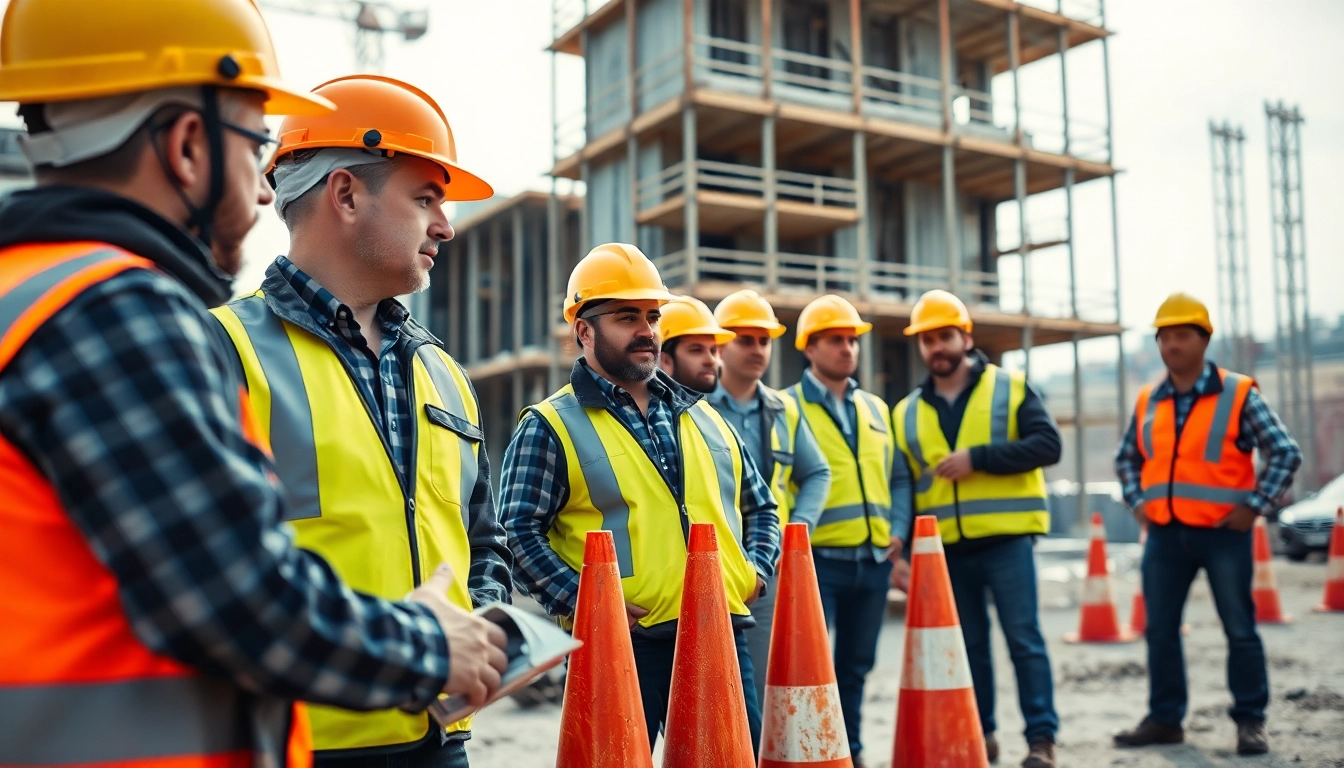
The proper use of safety equipment is paramount in protecting workers on construction sites. PPE such as helmets, safety glasses, gloves, and high-visibility clothing must be used consistently. Employers should conduct regular inspections of safety equipment to ensure it meets regulatory standards and is in good working condition.
Additionally, providing training on the correct usage of safety equipment is crucial. Workers should understand when and how to use specific gear and the importance of wearing it at all times. Ensuring that safety equipment is easily accessible can also encourage compliance among workers.
Advanced Strategies in Construction Site Safety
Technology in Safety Management
Technological advancements are making significant strides in enhancing construction site safety. Tools such as drones can conduct site inspections, enabling quicker identification of potential hazards without putting personnel at risk. Additionally, wearable technology—like smart helmets—provides real-time data and can alert workers to dangerous conditions.
Mobile safety applications are also proving to be valuable for communication. These apps can facilitate safety reporting, documentation, and instant alerts for incidents, allowing companies to respond promptly to safety concerns.
Data-Driven Decision Making
The use of data analytics in managing construction site safety is becoming increasingly important. By collecting and analyzing data related to incidents, training, and environmental conditions, companies can identify trends and areas for improvement. For example, if data reveals that most accidents occur during a specific time of day or particular task, management can focus resources to address those issues.
Data-driven decision-making not only enhances safety performance but can also lead to more cost-effective solutions by identifying and resolving issues before they become serious problems.
Continuous Improvement Processes
A culture of continuous improvement is crucial in achieving effective construction site safety. Regularly reviewing safety policies, soliciting worker feedback, and benchmarking performance against industry standards can help identify weaknesses and opportunities for improvement.
Implementing a system for reporting near misses can also contribute to a proactive safety culture. By analyzing near misses, companies can implement changes before a real incident occurs, further enhancing safety on-site.
Monitoring and Reporting Safety Incidents
Creating Incident Reports Effectively
Accurate and timely incident reporting is essential for maintaining safety on construction sites. Incident reports should detail what occurred, the potential causes, and any immediate actions taken. This documentation is crucial for legal compliance, internal review, and future safety training.
Establishing a straightforward process for reporting incidents ensures that every worker knows how to report an accident. Simplifying this process increases the likelihood of timely reporting, which is essential for analysis and mitigation efforts.
Analyzing Trends and Patterns
After compiling incident reports, it’s important to analyze the data for any recurring trends or patterns. This analysis might reveal common hazards or behaviors leading to incidents, providing a basis for initiating corrective actions. By addressing the root causes of incidents rather than just applying reactive measures, companies can make long-lasting improvements to safety.
Implementing Changes Based on Insights
Once trends are identified, it’s crucial to implement changes based on those insights. This could involve revising training programs, adjusting safety protocols, or investing in new safety equipment. Involving workers in this process ensures they understand the reasoning behind changes and fosters their commitment to new safety practices.
FAQs about Construction Site Safety
What are the key components of construction site safety?
Key components include proper training, use of personal protective equipment (PPE), and adherence to safety regulations.
How often should safety training be conducted?
Safety training should be conducted regularly, especially when new equipment is introduced, or when there are changes in regulations.
What should be included in a safety inspection?
A safety inspection should include checking equipment, assessing site conditions, verifying that safety gear is worn, and reviewing safety protocols.
How can technology enhance construction site safety?
Technology such as drones, safety apps, and IoT devices can provide real-time monitoring and data collection for improved safety oversight.
What measures should be taken after a safety incident?
After a safety incident, it’s vital to conduct an investigation, review protocols, and implement any necessary changes to prevent future occurrences.