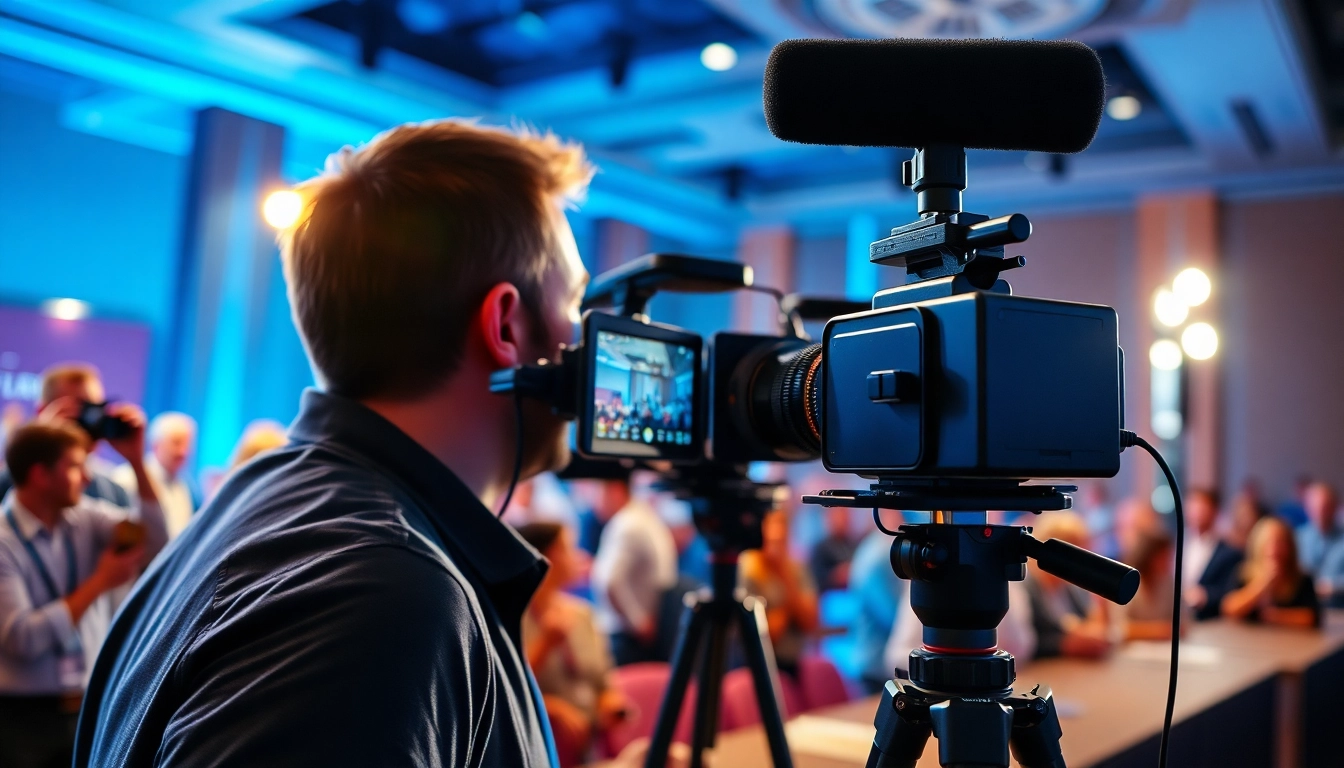
Understanding On-Site Videography
The Essentials of On-Site Videography
On-site videography refers to the practice of capturing video content directly at a client’s location or a venue relevant to the subject matter. Unlike studio-based filming, on-site videography allows for a more authentic representation of events, situations, or environments. This approach captures real-life interactions in their natural settings, offering valuable context and engagement that shot videos in controlled environments often lack.
This method is increasingly important in today’s digital landscape, where brands need to create content that resonates with their audience in organic and relatable ways. Companies are utilizing on-site videography to enhance their marketing strategies, promote events, and connect more intimately with consumers by presenting real experiences rather than staged performances.
Key Benefits of On-Site Videography
The benefits of on-site videography are numerous and impactful:
- Authenticity: Capturing footage in real-world settings fosters a sense of authenticity. Audiences are more likely to trust content that feels genuine and relatable.
- Engagement: On-site videos tend to create a stronger emotional connection with viewers, increasing their engagement and interest.
- Context: The location of the filming adds context that enhances the storytelling aspect. It portrays surroundings, interactions, and nuances that contribute to the narrative.
- Flexibility: On-site videography can be adapted to various settings and scenarios, whether for corporate training sessions, documentary-style storytelling, or marketing efforts.
- Cost-Efficiency: For brands, utilizing existing locations cuts down expenses associated with studio setups, lighting, and transportation.
Common Use Cases for On-Site Videography
Various industries benefit from implementing on-site videography. Here are several common use cases:
- Corporate Events: Capture key moments during conferences, workshops, and seminars, allowing organizers to promote future events through visual highlights.
- Product Launches: Document the excitement and reactions during a product unveiling, conveying the atmosphere and energy through video.
- Training and Education: Develop training materials with on-site demonstrations, making complex concepts more accessible and relatable to learners.
- Documentary Filmmaking: Create a narrative by following real-life subjects and events, offering insights that would be difficult to portray in a more artificial setting.
- Social Media Content: Generate engaging and authentic content for platforms like Instagram and TikTok, appealing to younger audiences craving real-life snippets.
Planning an Effective On-Site Videography Shoot
Selecting the Right Equipment
Choosing the appropriate equipment is a pivotal step in ensuring the success of an on-site videography shoot. The specific tools may vary based on the type of project, the environment, and the desired cinematic quality. Essential equipment includes:
- Cameras: DSLRs or mirrorless cameras with video capabilities are recommended for their versatility and high quality.
- Microphones: Directional microphones or lapel mics are essential to capture clear audio, which is just as important as high-quality visuals.
- Tripods and Stabilizers: For smooth footage, using tripods or gimbals is crucial, especially in dynamic settings.
- Lighting Equipment: Portable LED lights can help enhance visibility in dimly lit areas, ensuring the subject is well-lit without harsh shadows.
- Backup Gear: Always have extra batteries and memory cards on hand to avoid interruptions during critical captures.
Choosing Locations for On-Site Videography
Selecting the right location for filming can make or break the project. Here are some strategies for identifying suitable venues:
- Relevance: Ensure the location aligns with the narrative of the video. For corporate events, the venue should reflect the brand's ethos.
- Accessibility: Venues need to be accessible not just for the crew but also for subjects, ensuring smooth operations throughout the shoot.
- Permissions: Secure all necessary permissions in advance, especially in public or limited-access areas.
- Lighting and Space: Analyze the natural lighting conditions of the space and determine if it can accommodate your equipment and crew comfortably.
- Sound Quality: Evaluate the potential for background noise and distractions that could interfere with audio quality.
Creating a Shooting Schedule
A detailed shooting schedule helps manage time effectively and facilitates smooth production. Points to consider when creating your schedule include:
- Pre-Production Meetings: Gather input from all stakeholders to develop a consensus on the shoot day, locations, and timing.
- Time Allocation: Break down the shooting schedule into segments for each scene or segment to clearly allocate time for setup, filming, and breakdown.
- Flexibility: Build in extra time for unforeseen delays due to weather changes, location access issues, or equipment malfunctions.
- Backup Plans: Prepare alternative plans for critical aspects like locations or key subjects in case of inability to film as intended.
Best Practices for On-Site Videography
Techniques for Engaging Content
Creating captivating on-site videos requires employing specific techniques that enhance the narrative while keeping the audience engaged:
- Storytelling: Focus on crafting a compelling narrative arc. Every video should have a clear beginning, middle, and end to maintain viewer interest.
- Interviews: Incorporate interviews with relevant subjects like attendees or stakeholders for authentic insights and perspectives.
- Dynamic Shots: Utilize various shot types, including close-ups, wide angles, and dramatic movements, to make the content visually interesting.
- B-Roll Footage: Capture additional footage that supports the main story, like crowd reactions or related visuals, to enhance the narrative.
- Pacing: Edit the footage for a natural rhythm that keeps viewers engaged without overwhelming them with information.
Editing Tips for On-Site Videography
The editing phase is crucial for turning raw footage into a polished final product. Here are some best practices:
- Organize Footage: Label and organize your clips to streamline the editing process. This allows for easy access to essential footage when building your timeline.
- Cut to the Story: Prioritize storytelling over showcasing all available footage. Only include clips that contribute meaningfully to the project narrative.
- Use Music Wisely: Select background music that complements the content and enhances emotional responses without overshadowing the dialogue.
- Transitions: Utilize smooth transitions to maintain the flow between clips. Avoid overusing gimmicky effects that can detract from professionalism.
- Seek Feedback: Share drafts with colleagues or an audience to gather feedback and implement necessary modifications before finalizing the project.
Ensuring High Audio-Visual Quality
High-quality audio and video are paramount for professional outputs. Take the following steps to ensure your technical quality:
- Check Equipment: Conduct thorough checks on all equipment before the shoot, ensuring everything is functioning correctly.
- Test Locations: Conduct audio checks at locations prior to shooting. Listen for any echoes or background noise that could affect clarity.
- Use Windshields: Employ windshields on microphones in outdoor settings to minimize wind noise, ensuring clear audio capture.
- Monitor Levels: Continuously monitor audio levels during recording to avoid peaks that could cause distortion.
- Post-Production Enhancements: Utilize software post-shoot to enhance audio quality further, including noise reduction and equalization techniques.
Measuring the Impact of On-Site Videography
Analyzing Audience Engagement Metrics
Upon releasing your on-site video, it’s essential to evaluate how well it resonates with your audience. Key metrics to monitor include:
- View Count: The total number of views can indicate initial interest in the content.
- Watch Time: Analyze how long viewers are watching. Higher retention rates suggest engaging content.
- Shares and Likes: Engagement through shares and likes can gauge the impact and reach of your video among viewers.
- Comments: Pay attention to the contents of viewer comments for qualitative feedback, offering insights into perceptions and reactions.
- Call-to-Action Responses: Measure how effectively the video drives the desired actions, whether it be visiting a website, signing up for an event, or making a purchase.
Feedback Collection After Your Videography
After your video is released, gathering feedback helps assess its effectiveness and informs future projects. Consider tactics such as:
- Surveys: Distribute surveys to the audience to understand their impressions and recommendations for improvement.
- Focus Groups: Conduct focus group sessions for in-depth discussions based on viewer experiences with the video content.
- Performance Analysis: Review engagement metrics in conjunction with audience feedback to form a more comprehensive understanding of the content's performance.
- Social Listening: Monitor social media platforms for organic conversations about the video, gaining additional insights into audience sentiments.
Adapting Strategies Based on Performance
Once feedback is collected, it’s crucial to adapt your strategies for future projects. Steps include:
- Identify Strengths and Weaknesses: Analyze successful aspects and those that fell short to adjust the approach accordingly.
- Benchmarking: Compare metrics against industry standards or previous projects to evaluate relative performance.
- Incorporate Lessons Learned: Use insights gained from feedback to improve the planning and execution of upcoming on-site videography projects.
- Continuously Innovate: Experiment with new techniques, equipment, and storytelling methods that resonate with your evolving audience.
Case Studies: Successful On-Site Videography Projects
Corporate Events and Conferences
One prominent area where on-site videography excels is in corporate events and conferences. For instance, organizations often require video documentation of keynote speeches, panel discussions, and networking sessions. Videos from these events can serve dual purposes: they archive the event for internal use and can be edited into highlight reels for marketing future events.
An exemplary case emphasizes using video testimonials collected during these events, driving engagement and providing genuine insights into attendees' experiences. Such content can be particularly impactful when shared on social media platforms or incorporated into marketing materials.
Marketing Campaign Launches
On-site videography is equally powerful when launching marketing campaigns. Filming the launch event at a visual and engaging location can substantially enhance viewer interest and connections. Applying the principles of storytelling during editing allows brands to narrate their vision effectively, showcasing key moments and creating a sense of excitement around the product.
A successful project might illustrate how real-time footage of influencer engagement, customer testimonials, and behind-the-scenes content drive campaign momentum and help achieve marketing goals.
Documentary Storytelling in Live Settings
Documentary projects flourishing with on-site videography showcase dynamic storytelling through direct engagement with subjects and situations. Capturing stories as they unfold in real-time allows a level of depth and authenticity unattainable through scripted content. A case study could analyze how one documentary project highlighted a local community initiative, humanizing the issues faced and illuminating the impact efforts from the perspective of those involved.
Moreover, incorporating audience interaction in these films can forge powerful connections, guiding the narrative by weaving viewer experiences into the larger story, thereby enhancing engagement and relatability.