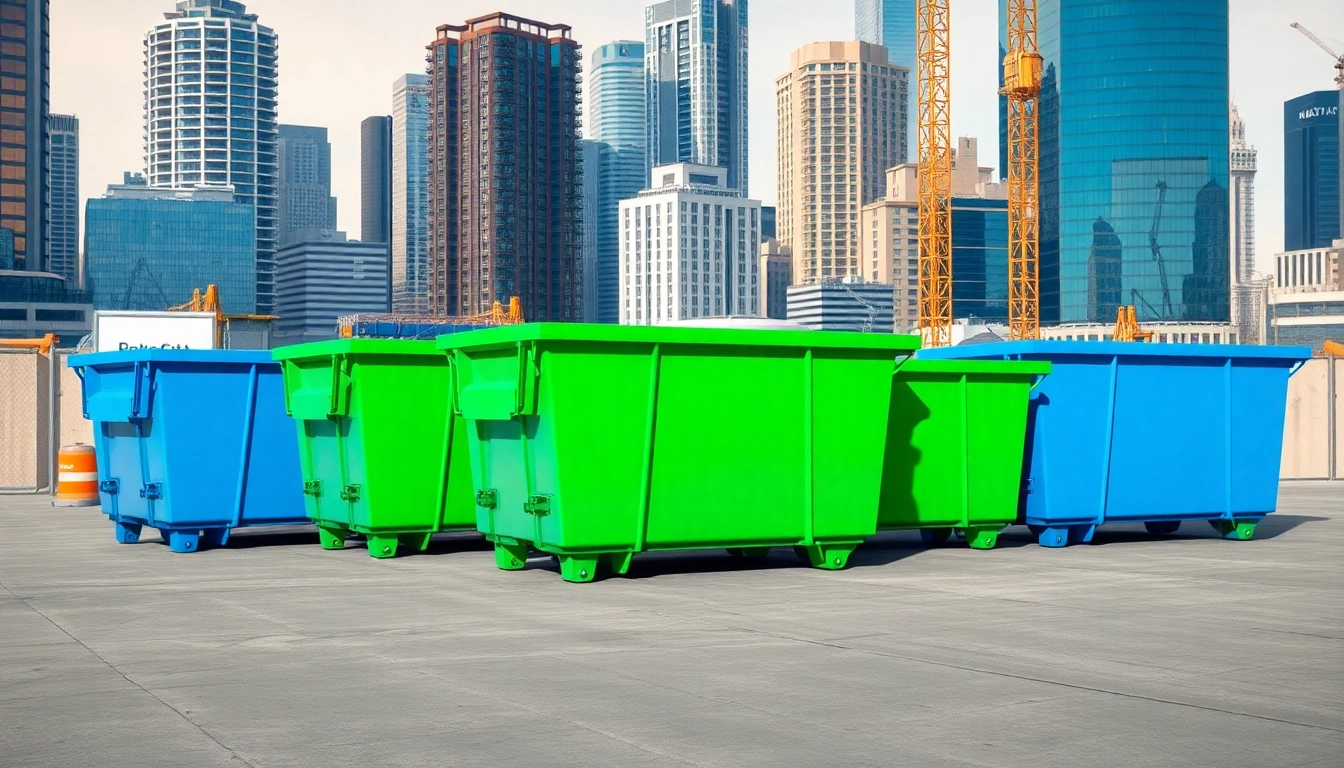
Understanding Roll Off Bins
What Are Roll Off Bins?
Roll off bins are large containers used for temporary waste disposal, typically for construction, renovation, and large clean-up projects. They are delivered to a location and can be rolled off a truck onto the ground for easy filling. Once the project is complete or the bin is filled, the waste management company returns to retrieve the bin, ensuring your debris is disposed of properly. This convenience makes roll off bins a popular choice for both residential and commercial projects.
Benefits of Using Roll Off Bins
There are numerous benefits to utilizing roll off bins, including:
- Convenience: Roll off bins can be delivered and picked up at your convenience, removing the hassle of frequent trips to the landfill.
- Space Efficiency: With their large capacity, these bins can handle significant amounts of waste, clearing your worksite quickly.
- Variety of Sizes: Offering various sizes allows for selection based on the project’s specific needs, ensuring you pay only for what you use.
- Safety: Keeping waste organized reduces hazards on the job site, promoting a safer environment for workers and visitors alike.
- Environmentally Friendly: Many disposal companies commit to recycling and proper waste processing when using roll off bins, minimizing environmental impact.
Types of Roll Off Bins
Roll off bins come in various types, designed to handle different types of waste. Some common types include:
- Construction Debris Bins: Ideal for rubble, wood, and other general construction waste.
- Yard Waste Bins: Designed for disposing of green waste like leaves, branches, and grass clippings.
- Household Junk Bins: Perfect for decluttering and disposing of appliances, furniture, and other household items.
- Commercial Waste Bins: Built to handle a variety of commercial refuse, including office and retail waste.
Selecting the Right Size of Roll Off Bins
Factors Influencing Size Choice
Choosing the correct size of roll off bins is paramount for efficient waste management. Key factors include:
- Volume of Waste: Estimate the amount of waste your project will generate to select an appropriately sized bin.
- Type of Waste: Some materials are bulkier than others, affecting the space they occupy in the bin.
- Site Accessibility: Ensure the bin can be positioned in a location accessible for loading while also accommodating vehicle access.
- Duration of Use: Longer projects may require larger bins to minimize the need for multiple pickups.
Common Size Options
Roll off bins typically come in several standard sizes, measured in yards:
- 10-Yard Bins: Suitable for small clean-outs or home renovations.
- 20-Yard Bins: Common choice for moderate renovation projects or large home cleanouts.
- 30-Yard Bins: Best for substantial construction projects or commercial applications.
- 40-Yard Bins: Ideal for large-scale demolitions or significant renovations.
When to Upgrade Size
Upgrading to a larger roll off bin may be necessary if:
- The original bin fills up quickly, causing delays in project completion.
- You underestimate the amount of waste generated compared to initial projections.
- Your project scales unexpectedly, increasing waste volume.
- The type of waste shifts, requiring a different handling approach.
Proper Usage of Roll Off Bins
Loading Techniques for Efficient Use
To maximize efficiency when using roll off bins, consider the following loading techniques:
- Distribute Weight Evenly: Place heavier items at the bottom and center to maintain stability.
- Avoid Overfilling: Ensure the waste does not exceed the top edge of the bin to facilitate safe transport.
- Use Smaller Items to Fill Gaps: Fill void spaces with lighter items to optimize available space.
- Prepare Large Items: Break down larger items to fit efficiently within the bin’s confines.
What Materials Can Be Disposed Of?
Different roll off bins can accommodate various materials. Common items that can be disposed of include:
- Construction debris (wood, drywall, etc.)
- Household junk (furniture, appliances, etc.)
- Yard waste (branches, leaves, grass, etc.)
- Some types of recyclable materials, depending on local regulations.
However, avoid disposing of hazardous materials like chemicals, paints, and certain electronics as they require specific handling methods.
Safety Tips When Using Roll Off Bins
Safety should always be a priority while using roll off bins. Here are some crucial safety tips:
- Wear Protective Gear: Ensure that workers wear gloves, hard hats, and steel-toed boots.
- Clear the Area: Make sure the space around the bin is free from obstacles to prevent accidents.
- Lift Properly: Teach proper lifting techniques to avoid injuries when loading heavy items.
- Stay Aware of Surroundings: Be mindful of moving vehicles and equipment on the worksite.
Environmental Considerations
How Roll Off Bins Impact Sustainability
Using roll off bins can play a significant role in promoting sustainability by:
- Encouraging proper waste separation at the source.
- Facilitating recycling and reuse, especially for construction and demolition waste.
- Decreasing the number of trips needed for waste disposal, thus reducing carbon footprints.
Recycling Options for Bin Contents
Many companies offer recycling options for the contents of roll off bins. Common recycling activities include:
- Separating metals and concrete from construction debris.
- Composting organic yard waste.
- Repulling recyclable materials from household junk bins.
Best Practices for Eco-Friendly Disposal
Adhering to best practices enhances the sustainability of your waste disposal methods:
- Conduct a Waste Audit: Identify what materials will be disposed of and how they can be separated for recycling.
- Choose Eco-Friendly Disposal Services: Opt for companies that focus on recycling and sustainable practices.
- Educate Workers: Train everyone involved in the disposal process on how to properly separate recyclable materials.
Cost Factors Surrounding Roll Off Bins
Breakdown of Rental Prices
Understanding rental prices for roll off bins involves several components:
- Bin Size: Larger bins generally cost more to rent.
- Rental Duration: Longer rental periods increase overall costs.
- Location: Disposal rates may vary based on geographic area.
- Dump Fees: Costs may include tipping fees at local landfills, which can vary widely.
Hidden Costs in Waste Disposal
It is crucial to consider potential hidden costs, such as:
- Overweight fees if the bin is filled beyond its weight limit.
- Excessive rental fees for late pickups.
- Additional charges for hazardous waste disposal.
- Cost implications from incorrect waste disposal leading to potential fines.
How to Get the Best Value
To maximize the value of renting roll off bins, consider:
- Comparing rates from multiple vendors to ensure competitive pricing.
- Scheduling pickups that align with project timelines to avoid extra fees.
- Ensuring clarity about what can and cannot be disposed of within the bin to avoid hidden costs.
- Inquiring about promotional rates or discounts for longer rental periods.
Frequently Asked Questions
1. How long can I keep a roll off bin?
The rental period varies by provider but usually spans from several days to a few weeks. Check with your provider for specifics.
2. What should I do if the bin is full?
Schedule a pickup with your waste management provider to have the bin emptied and replaced, allowing you to continue your project.
3. Can I place the bin on the street?
In many areas, you can, but you may need a permit. Always check local regulations before placement.
4. What materials are prohibited in roll off bins?
Hazardous waste, such as chemicals or batteries, is typically prohibited. Consult your service provider for a comprehensive list.
5. Is recycling available for what I dispose of?
Yes, many roll off bin services offer recycling options for certain materials. Make sure to ask about these options.