Understanding AC Installation Services
What is AC Installation?
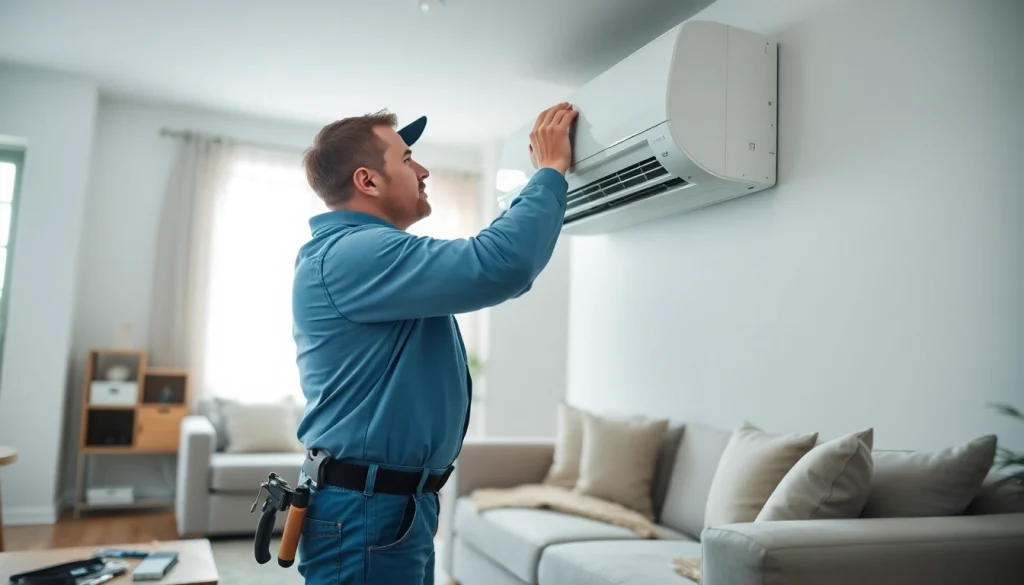
AC installation refers to the process of setting up an air conditioning system in a residential or commercial space. This involves a comprehensive assessment of the space, selection of the right system model, and proper installation to ensure optimal performance. Many homeowners and businesses opt for professional AC installation services to guarantee the correct setup, which is critical for effectiveness and energy efficiency.
Importance of Professional AC Installation
Investing in professional AC installation is crucial due to the complexity of modern air conditioning systems. A poorly installed system may lead to numerous problems, such as inefficient cooling, increased energy bills, and even breakdowns. Professionals not only ensure that the installation complies with local codes but also that optimal performance and durability are achieved.
Common Types of AC Systems
Understanding the types of AC systems available is vital for selecting the right unit for your space. Common types include:
- Central Air Conditioners: Suitable for large spaces, they distribute cool air through a network of ducts.
- Window Air Conditioners: Ideal for single rooms, they are easy to install and relatively cost-effective.
- Split Systems: These consist of an outdoor condenser and indoor unit, providing flexible installation options for homes without ducts.
- Portable Air Conditioners: These offer mobility as they can be moved from room to room, making them versatile and convenient.
Choosing the Right AC System
Factors to Consider When Selecting AC Installation Services
When choosing AC installation services, consider various factors to ensure you make an informed decision:
- Experience: Look for installers with a proven track record and positive customer reviews.
- Certification: Ensure the technicians are certified and knowledgeable about different AC systems.
- Insurance: A reputable company should carry liability insurance to protect against any potential damages during installation.
- Warranty: Inquire about warranties on both the equipment and installation work.
Understanding Size and Capacity Requirements
Choosing the right size of AC unit is essential for efficient cooling. An undersized unit will struggle to cool a space adequately, while an oversized unit can lead to frequent cycling, wasting energy and reducing comfort. To determine the optimal size, professionals often use a method called Manual J calculation, which takes into account factors like square footage, ceiling height, window sizes, and insulation quality.
Efficiency Ratings and Energy Consumption
Energy efficiency is another crucial aspect when selecting an AC system. Units are often rated using the Seasonal Energy Efficiency Ratio (SEER) or Energy Efficiency Ratio (EER). Higher ratings indicate better efficiency, leading to lower energy consumption and bills. Choosing an energy-efficient model may require a more substantial initial investment but will save on operational costs over time.
The AC Installation Process Explained
Preparation Steps Before Installation
Before the installation begins, several preparation steps should be undertaken:
- Site Assessment: A professional should visit your location to evaluate factors such as space, ductwork, and electric supply.
- Choosing the Right Unit: Based on the assessment, you will select an appropriate model that fits your needs.
- Permits: Ensure that all necessary local permits are acquired before installation begins.
Step-by-Step Guide to AC Installation
The AC installation process can generally be broken down into these main steps:
- Disconnecting Power: Ensure that power to the area is safely turned off.
- Installing the Indoor Unit: This includes securing the unit, connecting drainage, and making electrical connections.
- Installing the Outdoor Unit: The outdoor unit should be placed on a firm, level surface, ensuring proper airflow.
- Connecting the Units: This involves running refrigerant lines and electrical wiring between the indoor and outdoor units.
- Testing the System: Once everything is connected, the technician will test the system for efficiency and potential leaks.
Post-Installation Testing and Adjustments
After installation, it’s vital to perform thorough testing to ensure the system runs smoothly. This includes checking the refrigerant levels, calibrating the thermostat, and checking airflow in different parts of the building. Any necessary adjustments should be made at this stage to guarantee optimal performance.
Cost Considerations for AC Installation Services
Budgeting for Your AC Installation
The cost of AC installation can vary significantly based on type, size, brand, and labor costs. Homeowners should establish a budget, which typically includes the price of the unit, installation fees, and possible permits.
Factors Affecting Installation Costs
Several factors can influence the overall cost of AC installation:
- Type of System: Different systems come with varying initial costs; high-efficiency models usually cost more upfront.
- Existing Ductwork: If ductwork is already in place, it may reduce costs, while new ductwork installation will add to expenses.
- Labor Costs: Installation fees vary by region; obtaining multiple quotes can help find a reasonable rate.
How to Save on AC Installation Services
Saving on AC installation is possible through several methods:
- Off-Season Installation: Consider installing in the fall or spring when demand is lower and discounts may be available.
- Rebates and Incentives: Check for local energy efficiency programs that offer rebates for installing high-efficiency systems.
- Comparing Quotes: Obtain several estimates before making a decision to ensure competitive pricing.
Maintenance and Aftercare for Your AC System
Regular Maintenance Tips
Maintaining your AC unit is crucial for its longevity and performance. Here are some regular maintenance tips:
- Change air filters every 1-3 months to ensure proper airflow.
- Keep the outdoor unit clean and free of debris.
- SCHEDULE annual tune-ups with a professional technician.
Signs Your AC Needs Repair
Being aware of signs that indicate your AC might need repairs is essential. Look out for:
- Insufficient cooling or inconsistent temperatures.
- Unusual noises or smells coming from the unit.
- Excess moisture or leaks around the unit.
When to Schedule Professional Maintenance
Professional maintenance should be scheduled ideally once a year before the cooling season begins. However, if you notice any signs of malfunction or inefficiency, it is prudent to schedule a service call sooner to avoid more significant issues.
Frequently Asked Questions
1. How long does an AC installation take?
Installation time may vary based on the system and home layout, but typically ranges from four to eight hours.
2. Can I install an AC unit myself?
While DIY installation is possible for some units, professional installation is recommended for optimal performance and safety.
3. What maintenance does an AC system require?
Regular maintenance includes changing filters, cleaning the coils, and scheduling professional inspections once a year.
4. How often should I replace my AC filter?
Filters should be replaced every one to three months, depending on usage and the type of filter used.
5. When should I consider upgrading my AC system?
Consider an upgrade if your system is over 10 years old, requires frequent repairs, or if your energy bills are rising unexpectedly.