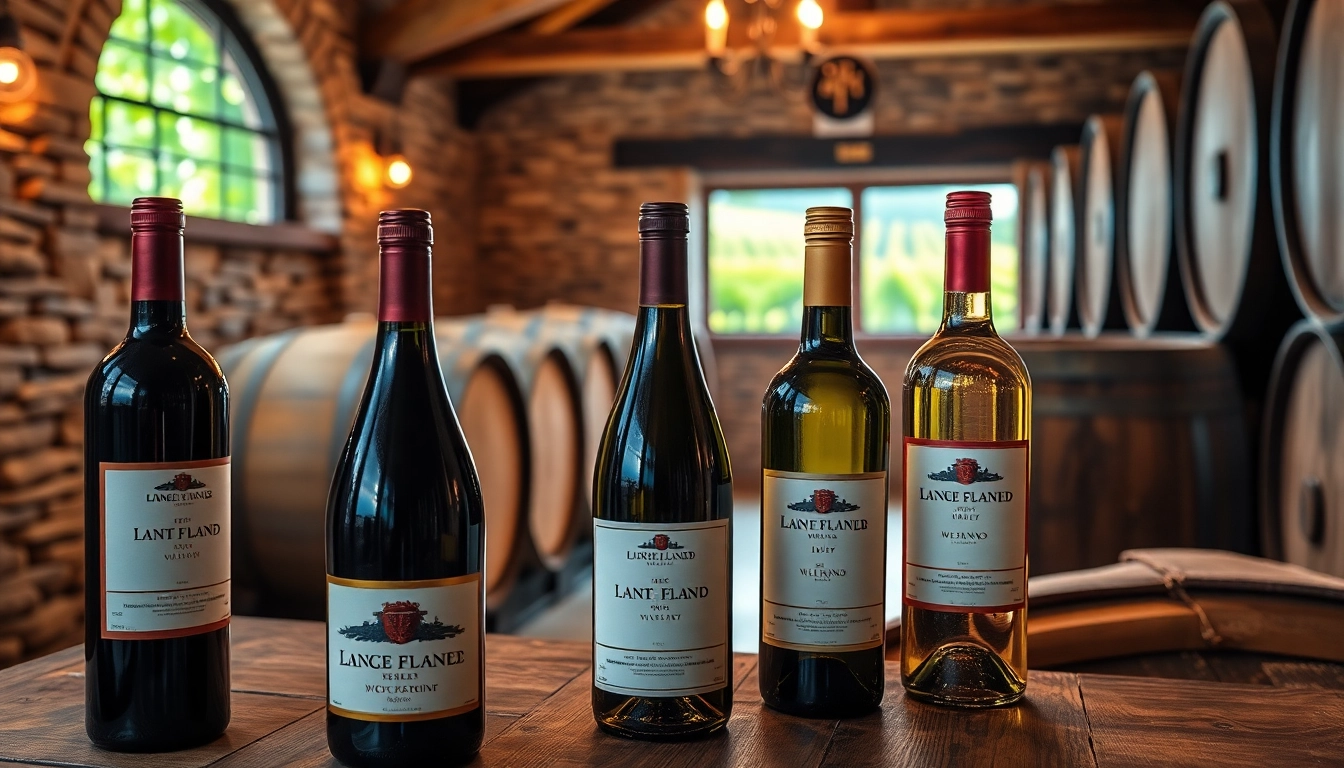
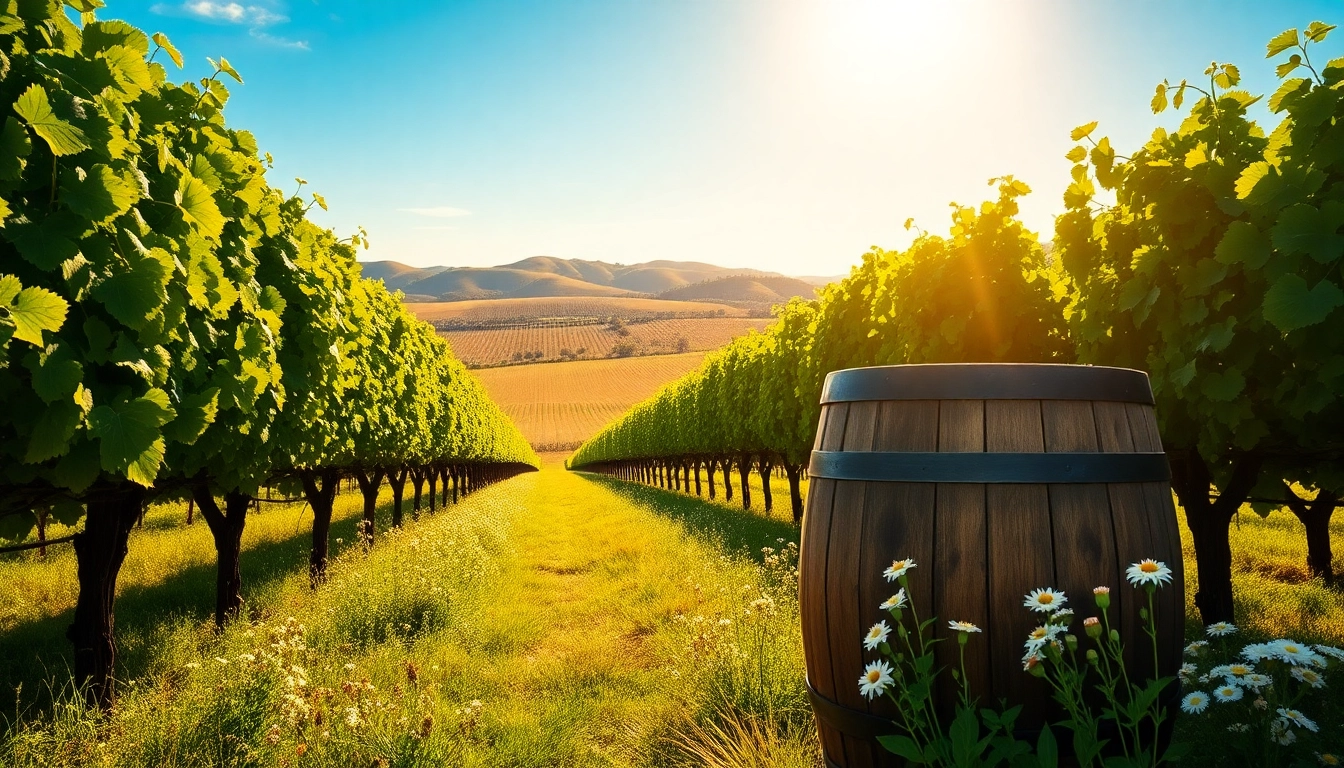
Introduction to Clarksburg Wineries
Nestled in the heart of California’s Central Valley, the Clarksburg wineries offer a unique taste of the region’s rich viticultural heritage. The Clarksburg wine region has carved a niche as a vibrant wine destination, successfully balancing a blend of traditional winemaking and modern innovation. As wine enthusiasts and casual drinkers alike seek new experiences in the industry, understanding what makes Clarksburg’s offerings distinctive can elevate their wine tasting adventures.
Overview of Clarksburg Wine Region
The Clarksburg wine region is defined by its unique geography, which features fertile alluvial soils enriched by the nearby Sacramento River. The climate is characterized by warm days ideal for grape ripening and cool nights that preserve acidity, a critical factor in creating well-balanced wines. These attributes make Clarksburg a hidden gem, often overshadowed by more renowned wine regions, yet bursting with potential.
Unique Features of Clarksburg Wineries
Clarksburg wineries stand out for several reasons. Primarily, the region’s dedication to sustainability is evident in the practices adopted by local vintners. Many wineries employ eco-friendly techniques, including dry farming and organic grape-growing methods, ensuring that their impact on the environment is minimized.
Another significant feature is the diversity of varietals produced. While many are familiar with the staples like Cabernet Sauvignon and Chardonnay, Clarksburg is home to unique varietals such as Albarino and Vermentino. This diverse selection provides a platform for wine lovers to explore and experience flavors that are not readily available in more traditional areas.
Importance of Terroir in Wine Quality
Terroir, a French term that encompasses the environmental factors affecting a crop’s phenotype, plays a vital role in the wine produced by Clarksburg wineries. Factors such as soil composition, climate, and topography of the area contribute uniquely to the wines’ flavors and aromas. The river’s influence not only regulates temperatures but enhances the moisture levels, contributing to a lush growing environment for the vines.
This concept of terroir is why many wine aficionados believe that Clarksburg has the potential to produce some of the finest wines in the nation. The ability to showcase this unique regional identity through its wines sets Clarksburg apart and enhances its reputation in the larger wine landscape.
Popular Varietals from Clarksburg Wineries
Signature White Wines to Savor
Clarksburg is particularly noted for its exceptional white wines. The cooler climate and ideal growing conditions of the area contribute to the vibrant acidity and expressive fruit flavors found in these wines. Among the most celebrated white varietals are Chardonnay, Sauvignon Blanc, and the aforementioned Albarino.
Chardonnay from Clarksburg showcases a range of flavors from crisp citrus notes to richer, buttery undertones, depending on the winemaking techniques used. Meanwhile, Sauvignon Blanc is often characterized by its zesty acidity and bright herbal qualities, making it a favorite for pairing with seafood and herbaceous dishes. Albarino, with its bright fruitiness and refreshing finish, offers a unique experience that is increasingly sought after.
Red Wine Delights: What to Expect
On the red wine front, Clarksburg wineries are equally impressive. The climate’s warmth allows for full ripening of varietals such as Zinfandel, Merlot, and Cabernet Sauvignon. Zinfandel from the region is celebrated for its bold berry flavors and peppery finish, while Clarksburg Cabernet Sauvignon is known for its structure and depth, often displaying notes of dark fruit and a hint of spice from oak aging.
Merlot, on the other hand, offers a softer palate, making it an approachable choice for new red wine drinkers. The soft tannins coupled with ripe cherry and plum notes create a delightful experience, further showcasing the versatility of the region’s wine offerings.
Trends in Wineries’ Offerings
As the wine industry evolves, so do the Clarksburg wineries, constantly experimenting with new trends and techniques. One notable trend is the rise of minimal intervention winemaking, wherein producers focus on expressing the natural character of the grape without too many additives or manipulations.
Furthermore, the region is seeing an increase in wine blending practices, where winemakers are creating unique combinations that not only cater to diverse palates but also highlight the strengths of various varietals. From bold blends to intriguing single varietals, Clarksburg wineries are redefining what wine can be.
Visiting Clarksburg Wineries: What to Know
Best Times to Visit
The optimal time to visit Clarksburg wineries largely depends on the experience you are seeking. The summer months offer plentiful events like wine festivals and outdoor concerts, attracting many visitors. However, the fall presents a stunning backdrop for harvest season, where guests can witness the grape picking process and participate in seasonal celebrations—this is often regarded as the best time for a visit.
Spring and winter months, while quieter, can also lead to a more intimate experience with smaller crowds and personalized tours. It’s essential to plan according to what type of experience you wish to create.
What to Expect During Tastings
Wine tastings at Clarksburg wineries provide a multifaceted experience that combines education with sensory exploration. Visitors can expect knowledgeable staff who are excited to share their insights into the wines and winemaking process.
Typically, tastings include a selection of the winery’s offerings, paired with information about each wine’s varietal characteristics, terroir, and winemaking techniques. Some wineries even provide food pairings, enhancing the tasting experience by highlighting how well the chosen wines complement culinary creations.
Guided Tours vs. Self-Exploration
When visiting Clarksburg wineries, guests have two primary options: guided tours or self-exploration. Guided tours often include tastings, vineyard walks, and behind-the-scenes access to the winemaking facilities. This option is ideal for those looking to deepen their understanding of the region’s wine culture and history.
On the other hand, self-exploration allows you to set your own pace and discover wineries that pique your interest. Many wineries offer maps and tasting menus, making it easy to customize your route and stop at places that cater to your preferences. Regardless of the choice, both experiences can be wonderfully enriching.
Pairing Wine with Food at Clarksburg Wineries
Perfect Food Pairings for White Wines
White wines from Clarksburg are remarkably versatile when it comes to food pairings. A classic Chardonnay, with its rich buttery notes, pairs beautifully with creamy pasta dishes or grilled chicken. Sauvignon Blanc, with its zesty acidity, shines alongside fresh seafood, salads, and dishes featuring herbs and citrus.
For those adventurous enough to try Albarino, consider serving it with shellfish or light Asian cuisine. Its bright fruitiness and crisp finish make it an excellent complement to various dishes, enhancing both the food and wine experience.
Red Wine Pairings You Must Try
When it comes to red wines from Clarksburg, the pairing options are equally as enticing. Zinfandel’s bold fruit flavors can stand up to barbecue ribs or spice-infused dishes, making it a robust choice for hearty meals. Cabernet Sauvignon, with its firm tannins, pairs well with red meats and aged cheeses, allowing the wine to mellow while enhancing the flavors of the dish.
Merlot is often a crowd-pleaser with its approachable nature, making it ideal for pairing with pasta dishes rich in tomato sauce or even pizza. These combinations showcase how complementary flavors can enhance the dining experience.
Tips for a Memorable Culinary Experience
To fully enjoy the culinary delights that Clarksburg wineries offer, consider the following tips: Start by exploring the local seasonal ingredients that are highlighted in the dishes, as fresh produce often leads to the best flavor combinations. Engage with winery staff to receive tailored recommendations based on your palate preferences. Lastly, don’t hesitate to experiment; trying unconventional pairings can often lead to delightful surprises!
Frequently Asked Questions about Clarksburg Wineries
What types of wines are produced at Clarksburg wineries?
Clarksburg wineries produce a wide variety of wines, including excellent whites like Chardonnay, Sauvignon Blanc, and Albarino, along with rich reds such as Zinfandel, Merlot, and Cabernet Sauvignon.
Are there guided tours available at Clarksburg wineries?
Yes, many Clarksburg wineries offer guided tours that provide insights into the winemaking process, vineyard practices, and include tastings of various wines.
What’s the ideal season to visit Clarksburg wineries?
The fall harvest season is often considered the best time to visit Clarksburg wineries due to stunning views and numerous events celebrating the grape harvest.
Do Clarksburg wineries offer food pairing experiences?
Yes, many wineries in Clarksburg offer food pairing experiences, combining their wines with crafted culinary dishes to enhance the tasting experience.
How can I purchase wine from Clarksburg wineries?
Wine can typically be purchased directly from Clarksburg wineries during visits or through their websites, which often have online store options for deliveries.