
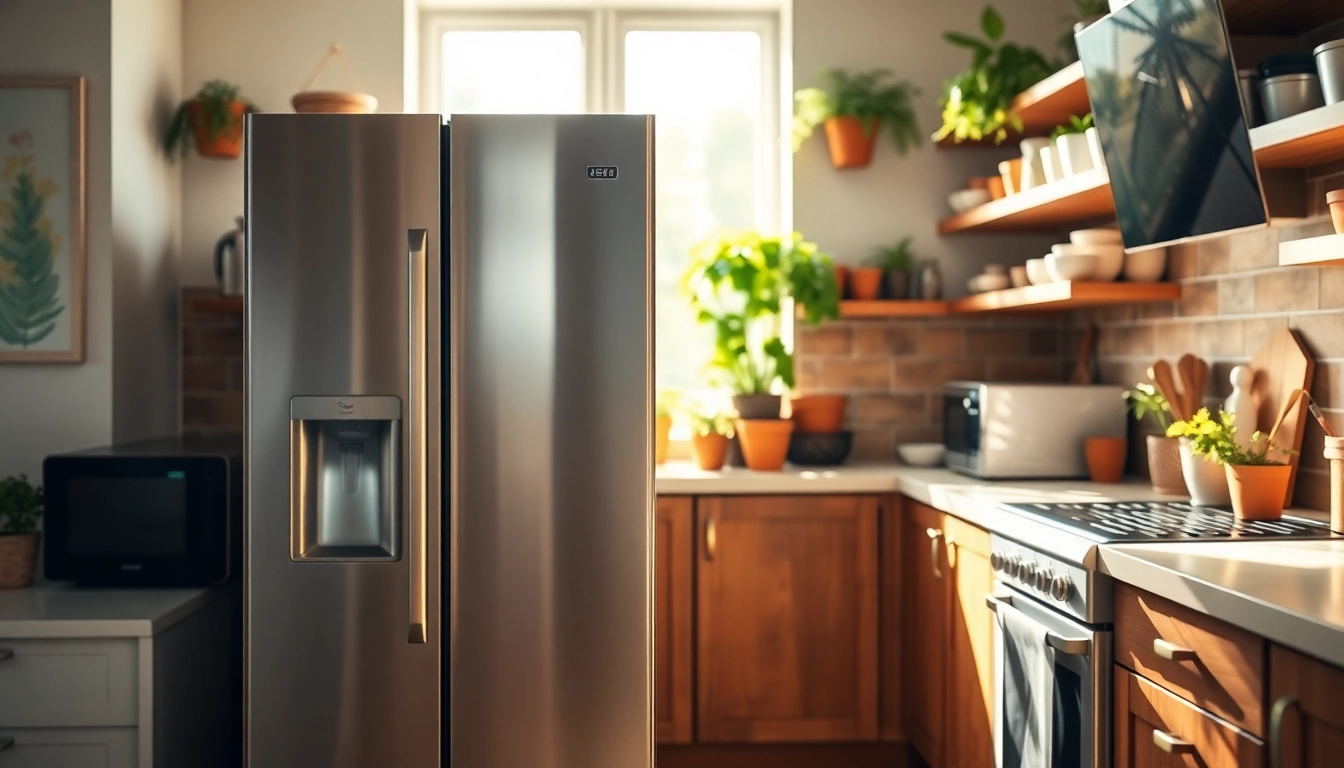
1. Introduction to Home Appliances
1.1 What Defines Home Appliances?
Home appliances are essential electrical and mechanical devices designed to assist with household tasks, primarily related to cooking, cleaning, food preservation, and other daily routines. These tools can range from large machines like refrigerators and washing machines to smaller gadgets like toasters and blenders. They are integral to our modern lifestyles, simplifying tasks that would otherwise require significant time and effort. As innovations in technology evolve, the definition of home appliances continues to encompass smart devices that improve not only efficiency but also convenience and connectivity.
1.2 The Role of Home Appliances in Daily Life
The impact of home appliances on our daily lives is profound. They provide numerous benefits that go beyond mere convenience. For instance, a washing machine eliminates the labor-intensive process of handwashing clothes, saving time while ensuring hygiene. Similarly, devices such as microwaves and ovens enable quick meal preparation, allowing families to balance busy schedules with home-cooked meals. Furthermore, the rise of smart home devices allows for automation, enhancing comfort and energy management. As a result, home appliances serve as enablers, making households more functional and efficient.
1.3 Key Features to Look for in Home Appliances
When selecting home appliances, there are several critical features to consider that can substantially influence overall satisfaction and usability. Home appliances should offer energy efficiency, durability, and ease of operation. Energy efficiency is crucial in reducing long-term utility costs; appliances rated highly on energy efficiency labels typically consume less power. Durability ensures that the appliance will withstand frequent use, and ease of operation guarantees that users can navigate the functions without unnecessary complexity, enhancing the overall experience.
2. Types of Home Appliances
2.1 Major Home Appliances: Function and Utility
Major home appliances, often referred to as “white goods,” are typically large, fixed products crucial for daily household operations. These include refrigerators, washers, dryers, ovens, and dishwashers. Each of these appliances serves a distinct purpose—refrigerators preserve food, ovens enable cooking, and dishwashers streamline cleaning processes. The investing in high-quality major appliances can significantly improve the efficiency of household tasks, making them worthwhile expenses in the long run.
2.2 Small Home Appliances: Convenience Redefined
Small home appliances complement major appliances and are essential for everyday convenience. Items like coffee makers, blenders, microwaves, and electric kettles fall into this category. They are designed for ease of use and often come with various features to enhance functionality. For instance, programmable coffee makers allow users to set brewing times, ensuring a fresh cup of coffee is ready when needed. These small devices, while less cumbersome than their larger counterparts, offer significant assistance in daily household routines.
2.3 Energy Efficiency in Home Appliances
The importance of energy efficiency in home appliances cannot be overstated. With growing concerns about energy consumption and environmental impact, consumers are increasingly seeking appliances that offer lower energy usage without compromising performance. Energy-efficient models not only contribute to reduced electricity bills but also support sustainable living practices. Look for Energy Star ratings and other certifications that indicate adherence to strict energy efficiency guidelines, enabling you to make informed purchasing decisions.
3. Selecting the Right Home Appliances
3.1 Assessing Your Home’s Needs
Before purchasing home appliances, it’s essential to assess your specific needs based on your lifestyle, family size, and cooking habits. For instance, a large family may benefit from a bigger refrigerator or a high-capacity washing machine to accommodate their needs efficiently. Additionally, consider the available space in your home; measure areas to ensure that new appliances fit comfortably without obstructing routines. This tailored approach will help you choose appliances that not only fit your physical constraints but also enhance your quality of life.
3.2 Prioritizing Quality and Durability
Investing in quality and durability should be at the forefront of selecting home appliances. While cheaper alternatives might seem appealing, lower-cost appliances often come with the risk of reduced lifespan and increased repair needs. Research brands and read reviews from other customers to find reliable options within your budget. Consider warranties and service plans as well, which can provide further assurance of an appliance’s durability. A high-quality appliance will provide more efficient service over time, proving to be more economical in the long run.
3.3 Budgeting for Home Appliances
Budgeting for home appliances requires careful consideration of both initial costs and ongoing expenses such as energy consumption and maintenance. When planning your budget, weigh the lifetime costs against the purchase price. While a more expensive, energy-efficient model may have a higher upfront cost, it can lead to savings on utility bills over time. Remember to include installation or delivery fees, and set aside a contingency fund for unexpected expenses. Proper budgeting ensures a balance between quality and financial feasibility.
4. Maintenance Tips for Home Appliances
4.1 Regular Cleaning and Care
Regular maintenance of home appliances is vital to ensure longevity and efficient operation. Each appliance type requires specific cleaning techniques, but general best practices include frequent dusting, wiping down surfaces, and periodic deep cleans. For example, refrigerators benefit from removal of expired items and regular defrosting, while washing machines should undergo routine clean-out cycles to prevent mold buildup. Establish a cleaning schedule tailored to your appliances, and perform maintenance tasks to protect your investment and keep them performing at their best.
4.2 Troubleshooting Common Issues
Troubleshooting common appliance issues can often save both time and money. For simple problems like a refrigerator that isn’t cooling or a washing machine that won’t start, consult the appliance manual for troubleshooting tips. Many issues can be resolved by checking power sources, ensuring proper connections, and inspecting parts for blockages or damage. Skipping this step can lead to more significant problems, and in cases where troubleshooting doesn’t work, knowing when to escalate to a professional can alleviate frustration.
4.3 When to Seek Professional Help
It’s essential to recognize when to seek professional help. If troubleshooting fails, or if an appliance shows signs of significant problems—such as strange noises, leaks, or malfunctions—it may be time to call in an expert. Professional repair technicians can diagnose issues accurately and recommend the best solutions, potentially saving you from costly mistakes or further damage to the appliance. Additionally, regular maintenance services from professionals can extend the lifespan of your appliances, ensuring a long-term investment.
5. Future Trends in Home Appliances
5.1 Smart Home Integration
Smart home integration stands at the forefront of evolving home appliance technology. Devices that connect to home networks, such as smart refrigerators that enable remote management or ovens that can be preheated from a smartphone, are becoming more commonplace. This connectivity allows for enhanced monitoring, control, and efficiency. As technology advances, expect more appliances to incorporate artificial intelligence, allowing them to learn user preferences and optimize functionality for individual households.
5.2 Sustainable Choices in Home Appliances
With a growing focus on sustainability, many manufacturers are developing environmentally friendly home appliances. These products are designed to minimize energy consumption, reduce water usage, and generate less waste. Look for appliances made from sustainable materials and those that comply with high energy efficiency standards. Investing in sustainable appliances not only lessens your ecological footprint but also appeals to the growing consumer demand for eco-friendly products, potentially enhancing the value of your home.
5.3 The Impact of Technological Advances
Technological advances significantly influence the home appliance industry, driving innovation and enhancing functionality. The increasing incorporation of IoT (Internet of Things) technology allows appliances to communicate with each other and with users, paving the way for seamless integration within smart homes. Additionally, advancements in cooking technology, like induction heating and advanced sensors, promise improved cooking results and efficiency. Staying informed of these trends will guide consumers toward the most advanced, efficient, and useful home appliances available.
FAQs
What are considered major home appliances?
Major home appliances include large items like refrigerators, washing machines, dryers, ovens, and dishwashers, crucial for daily household tasks.
How can I improve the energy efficiency of my appliances?
To improve energy efficiency, use appliances during off-peak hours, maintain them regularly, and seek energy-efficient models with high Energy Star ratings.
What should I consider when replacing an appliance?
Consider the type of appliance, size, energy efficiency, brand reliability, and your specific needs, as well as any space constraints in your home.
How often should I clean my home appliances?
Frequency varies by appliance; however, a general rule is to clean kitchen appliances weekly, while major appliances like washers should be deep-cleaned monthly.
When is it better to repair rather than replace an appliance?
It’s often better to repair when the cost of repair is less than 50% of the appliance’s value, especially if it’s newer and has a good reliability record.

