
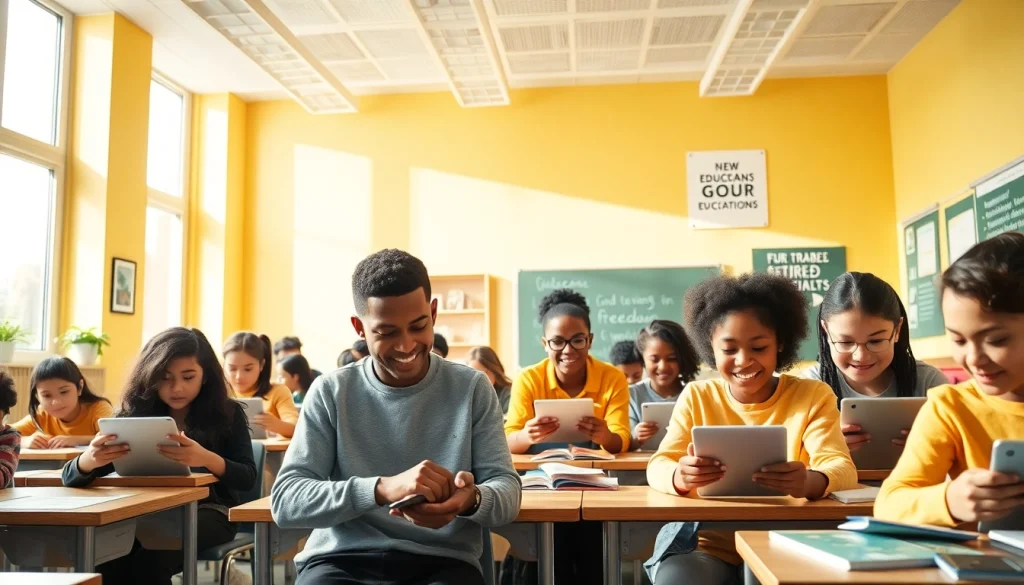
The Importance of Education in 2026
As we navigate through the complexities of the 21st century, the importance of education becomes increasingly clear. Education serves not just as a means of knowledge acquisition but as a vital mechanism for fostering equity, innovation, and social justice. By 2026, the landscape of education is poised to undergo significant transformations that will redefine how we approach learning, teaching, and educational policy. Understanding the nuances of education equity and its overarching impact on society will be central to these developments.
Understanding Education Equity and Its Impact
Education equity refers to the principle of fairness in educational access, opportunities, and treatment. It is a critical issue that affects students from various backgrounds differently. Disparities in educational resources lead to unequal learning outcomes, which in turn contribute to broader societal inequities. By prioritizing education equity, we can create an environment where all students have the opportunity to succeed, regardless of their socioeconomic background, race, or geographical location.
The impact of education equity extends beyond the individual level—it influences community health, economic growth, and national prosperity. When educational systems embrace equity, they not only uplift marginalized groups but also enhance the collective welfare of society. By 2026, it is imperative that educators, policymakers, and communities collaborate to address systemic barriers and advocate for reforms that promote equity in education.
Challenges Facing Modern Education Systems
Despite a growing awareness of the need for educational reform, modern education systems face myriad challenges. One of the foremost obstacles is the persistent achievement gap, which refers to the disparity in academic performance between different groups of students. This gap can stem from factors such as inadequate funding, a lack of qualified teachers, and insufficient access to advanced coursework.
Additionally, the rapid pace of technological advancement presents both opportunities and challenges. While technology can enhance learning experiences, many schools lack the resources and training to effectively integrate new tools into their curricula. Furthermore, the COVID-19 pandemic has exacerbated existing inequities, with students from underserved communities experiencing significant disruptions in their education due to lack of access to technology and online learning platforms.
The Role of Innovation in Educational Reform
Innovation is crucial to addressing the challenges facing education systems. As we move forward, implementing novel approaches and reimagining traditional models will be essential for fostering a more equitable and effective educational landscape. Innovations such as personalized learning, project-based education, and competency-based assessments are gaining traction and have demonstrated positive outcomes in various educational settings.
Moreover, educational reform must also include an emphasis on social-emotional learning (SEL) and mental health support. By prioritizing the holistic development of students, educators can create a more inclusive and nurturing environment that fosters resilience and well-being.
Strategies for Effective Educational Reform
To achieve meaningful educational reform, stakeholders must embrace a multifaceted approach that incorporates diverse strategies and practices. This requires collaboration among educators, administrators, policymakers, and communities to create a unified vision for education.
Implementing Student-Centered Learning Approaches
Student-centered learning is an approach that emphasizes active participation and engagement from learners. It shifts the focus from traditional teacher-led instruction to a model where students take charge of their learning. This method encourages critical thinking, collaboration, and creativity, preparing students for real-world challenges.
In practice, this can be implemented through project-based learning, where students work on real-world problems, or through inquiry-based learning, where they explore questions of personal interest. By fostering a sense of ownership over their education, students are more likely to stay engaged and motivated.
Utilizing Technology to Enhance Learning Experiences
Technology has the potential to transform education, making learning more accessible and engaging. By leveraging tools such as virtual reality (VR), artificial intelligence (AI), and online collaboration platforms, educators can create immersive learning experiences tailored to students’ needs.
Moreover, integrating technology in the classroom can facilitate personalized learning pathways, allowing students to progress at their own pace. To maximize the benefits of technology, schools must invest in infrastructure and training for educators, ensuring that they are equipped to utilize these tools effectively.
Case Studies of Successful Education Initiatives
Examining successful educational initiatives can provide valuable insights for reform efforts. For instance, the “Every Student Succeeds Act” (ESSA) in the United States emphasizes state and local control in education, enabling communities to develop tailored solutions to address their unique challenges.
Similarly, the “P-TECH” model, which combines high school, college, and industry partnerships, has demonstrated success in preparing students for the workforce by providing them with both academic knowledge and practical experience. Analyzing these case studies can inform best practices and guide future reform initiatives.
Future Trends in Education
Looking ahead to 2026 and beyond, several trends are likely to shape the future of education. These trends reflect the evolving needs of learners and the integration of new technologies into learning environments.
Emerging Technologies in Learning Environments
The rise of emerging technologies, such as AI and machine learning, will continue to impact educational practices. These technologies can provide personalized learning experiences, automate administrative tasks, and even assist teachers in identifying student needs.
Additionally, the integration of augmented reality (AR) and VR can create immersive learning environments that deepen understanding and retention of complex concepts. As these technologies become more accessible, they will likely play a pivotal role in education reform.
Global Perspectives on Education Reform
Educational reform is not limited to one geographic region; it is a global undertaking that requires collaboration and learning from diverse perspectives. Countries like Finland are often cited as examples of successful educational systems that prioritize equity and student well-being.
By studying global best practices, educators and policymakers can adopt successful strategies that align with their specific contexts while fostering an exchange of ideas and collaboration across borders.
Predictions for Education Systems in 2026 and Beyond
As we approach 2026, it is anticipated that education systems will increasingly prioritize equity, innovation, and inclusivity. Schools may embrace hybrid models that combine in-person and virtual learning, providing flexibility and accessibility to all students.
Moreover, there may be a greater emphasis on lifelong learning, with educational institutions offering ongoing professional development and skill-building opportunities for adults. This shift will reflect the changing demands of the labor market and the necessity for continuous adaptation in an ever-evolving world.
Measuring Success in Education
To ensure that educational reforms are effective, it is crucial to establish clear metrics for success. These metrics should encompass academic performance, social-emotional well-being, and overall student engagement.
Key Metrics for Educational Performance
Key performance indicators (KPIs) can include standardized test scores, graduation rates, and college enrollment rates. However, it is equally important to consider qualitative measures, such as student satisfaction and teacher efficacy. By adopting a holistic approach to assessment, stakeholders can gain a comprehensive understanding of educational outcomes.
Evaluating the Impact of Reform Initiatives
Evaluating the impact of reform initiatives requires ongoing data collection and analysis. This can involve qualitative methods such as surveys and interviews, as well as quantitative analysis of performance data. Stakeholders should be prepared to adapt their strategies based on feedback and results, ensuring a continuous cycle of improvement.
Best Practices for Continuous Improvement
Educational institutions must cultivate a culture of continuous improvement that encourages innovation and reflection. This can include regularly reviewing curricula, seeking input from various stakeholders, and providing professional development opportunities for educators.
By establishing feedback loops and fostering collaboration, education systems can remain responsive to the needs of students and the demands of the future.
Joining the Movement for Educational Change
The push for educational reform requires the collective action of educators, advocates, policymakers, and communities. Engaging in the conversation surrounding education is essential for driving meaningful change and promoting equity.
How Educators and Advocates Can Collaborate
Collaboration among educators and advocates is vital for developing effective reform strategies. By forming coalitions and sharing resources, stakeholders can amplify their voices and advocate for policies that support equitable education.
Professional learning communities can serve as platforms for educators to exchange ideas, share best practices, and collaborate on initiatives aimed at improving educational outcomes for all students.
Engaging Communities in the Education Conversation
Community engagement is essential for successful educational reform. By involving parents, local organizations, and community leaders, schools can foster a sense of ownership and commitment to educational initiatives.
Hosting community forums and workshops can provide opportunities for dialogue and collaboration, allowing diverse voices to contribute to the shaping of educational policies and practices.
Resources for Advocating Education Reform
Numerous resources are available for those interested in advocating for education reform. Organizations such as the Education Trust and the National Education Association offer research, toolkits, and support for advocates working towards equitable education. Additionally, online platforms provide opportunities for networking and sharing successful strategies.
By leveraging these resources, individuals and organizations can strengthen their advocacy efforts and contribute to the broader movement for educational change.